Providing low-income families in Indonesia with safe and affordable drinking water
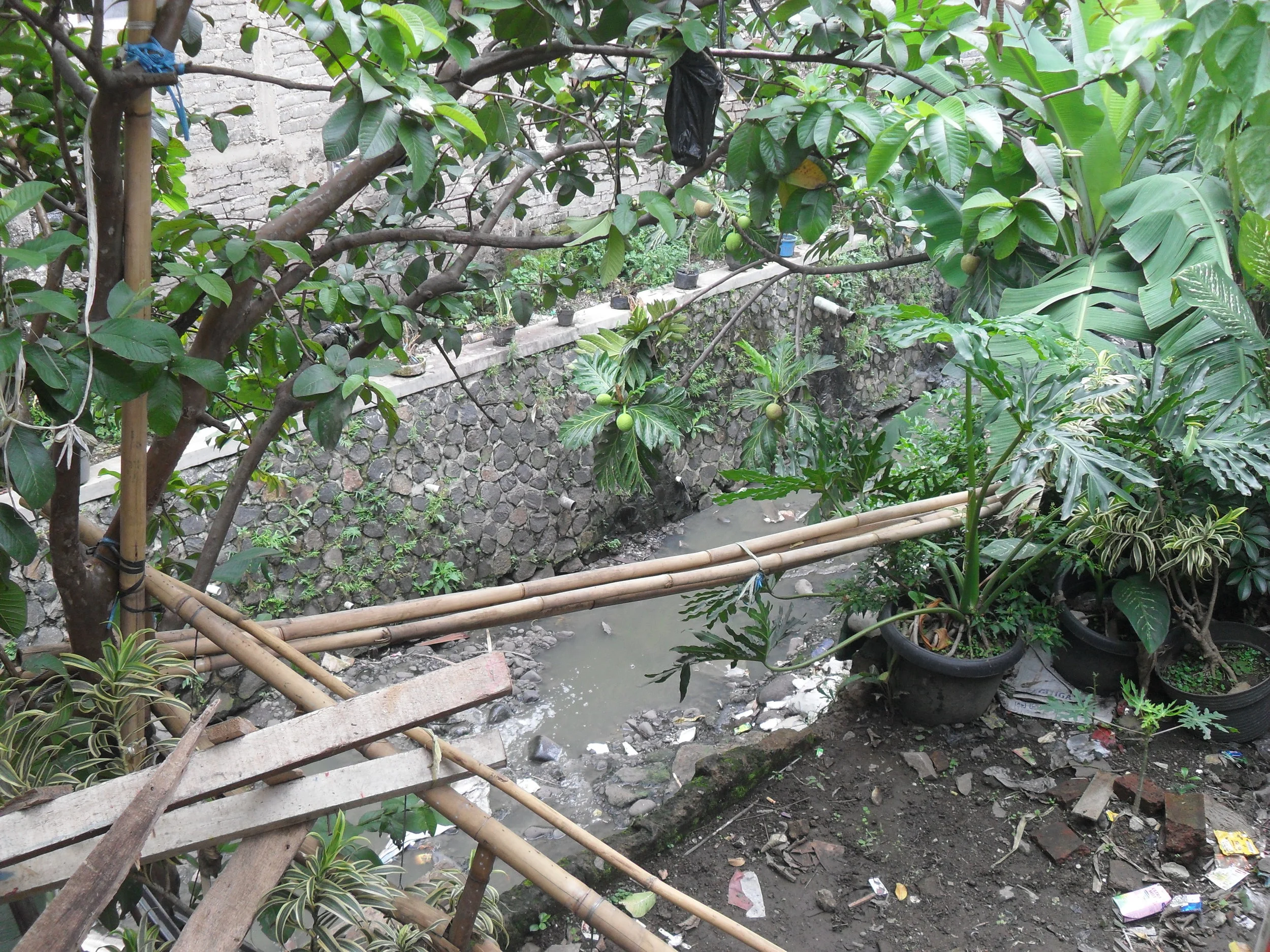
Around 30 million people in Indonesia don’t have access to safe and affordable drinking water. Ground water and rivers are heavily polluted. Each year 27.000 children in Indonesia die from the consequences of drinking contaminated water.
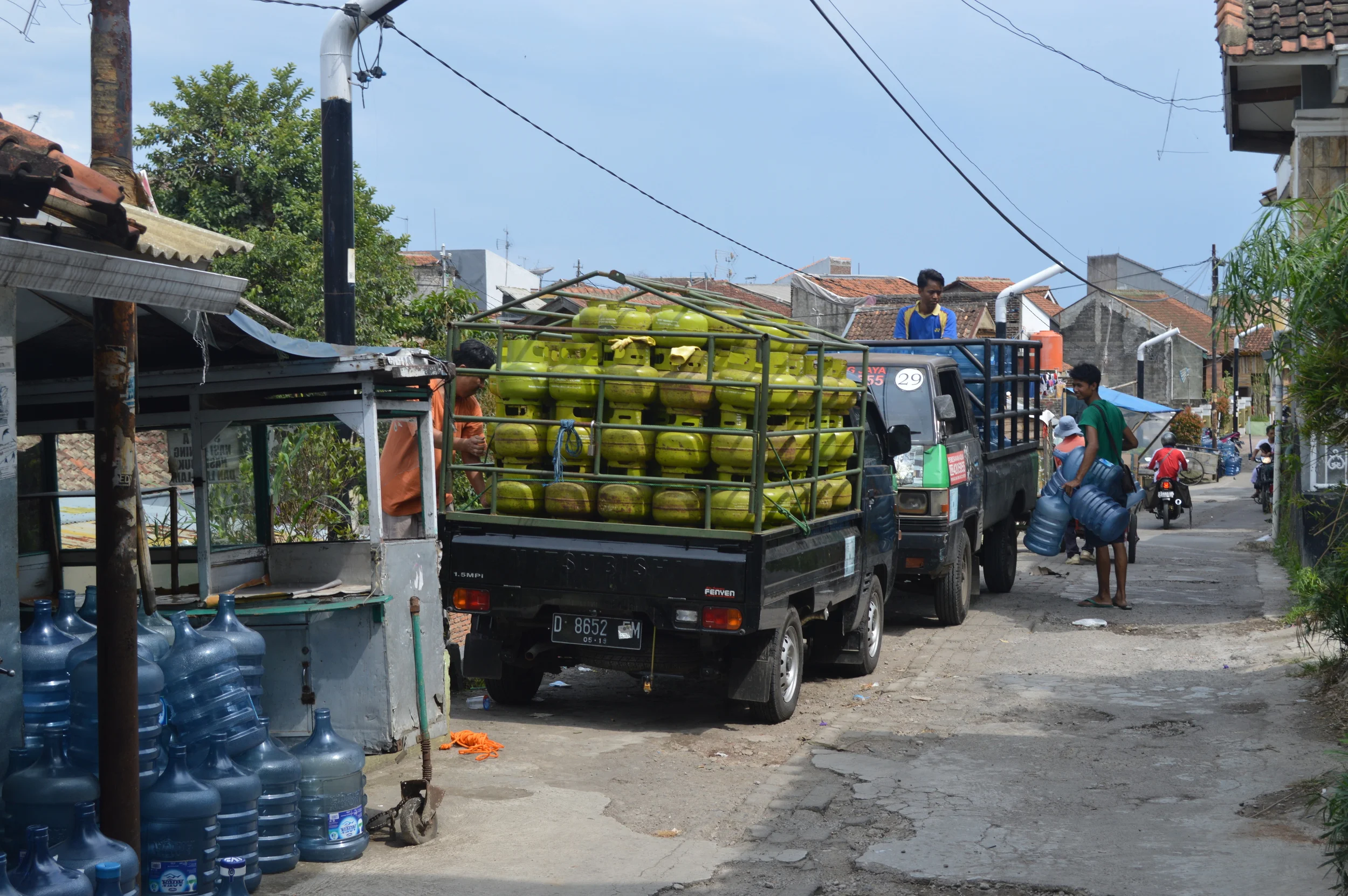
Some stores sell containers with ‘recycled water’, but that is relatively expensive and it does not give any guarantee over its quality. Current solutions to this problem are to boil water or to buy bottled water. However, boiling water is very labour intensive, especially in rural areas. It also emits huge amounts of carbon dioxide and often leads to recontamination of the water. Bottled water is very expensive and creates a lot of plastic waste.
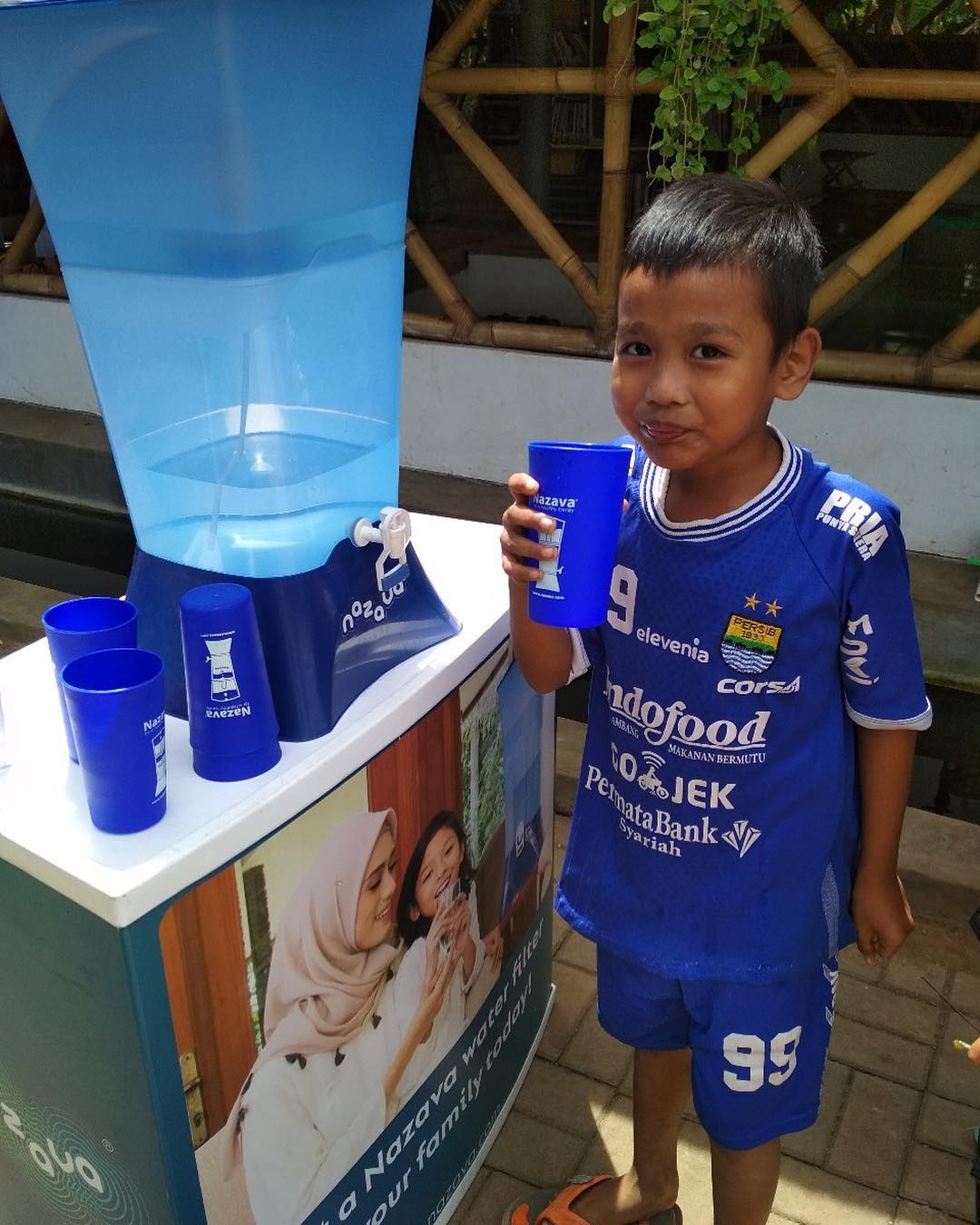
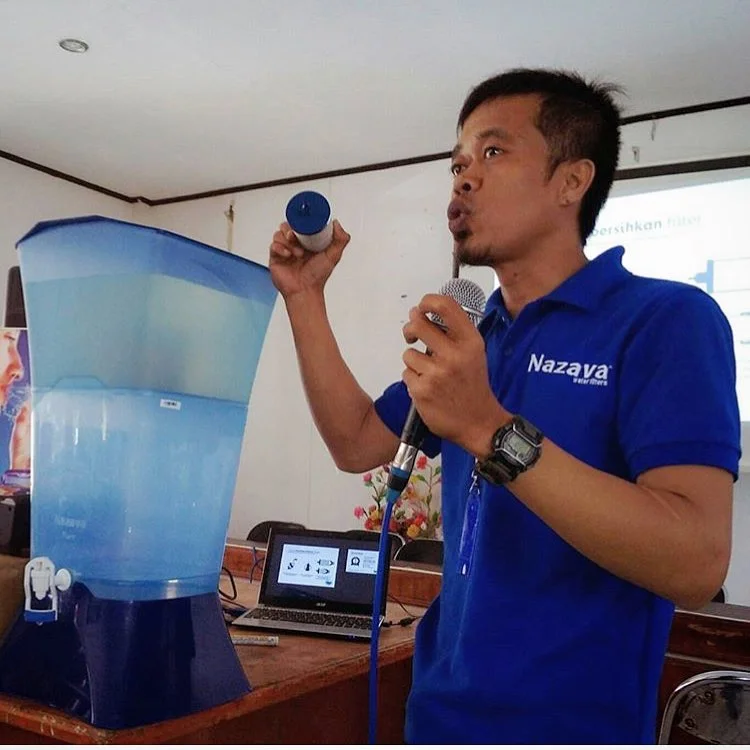
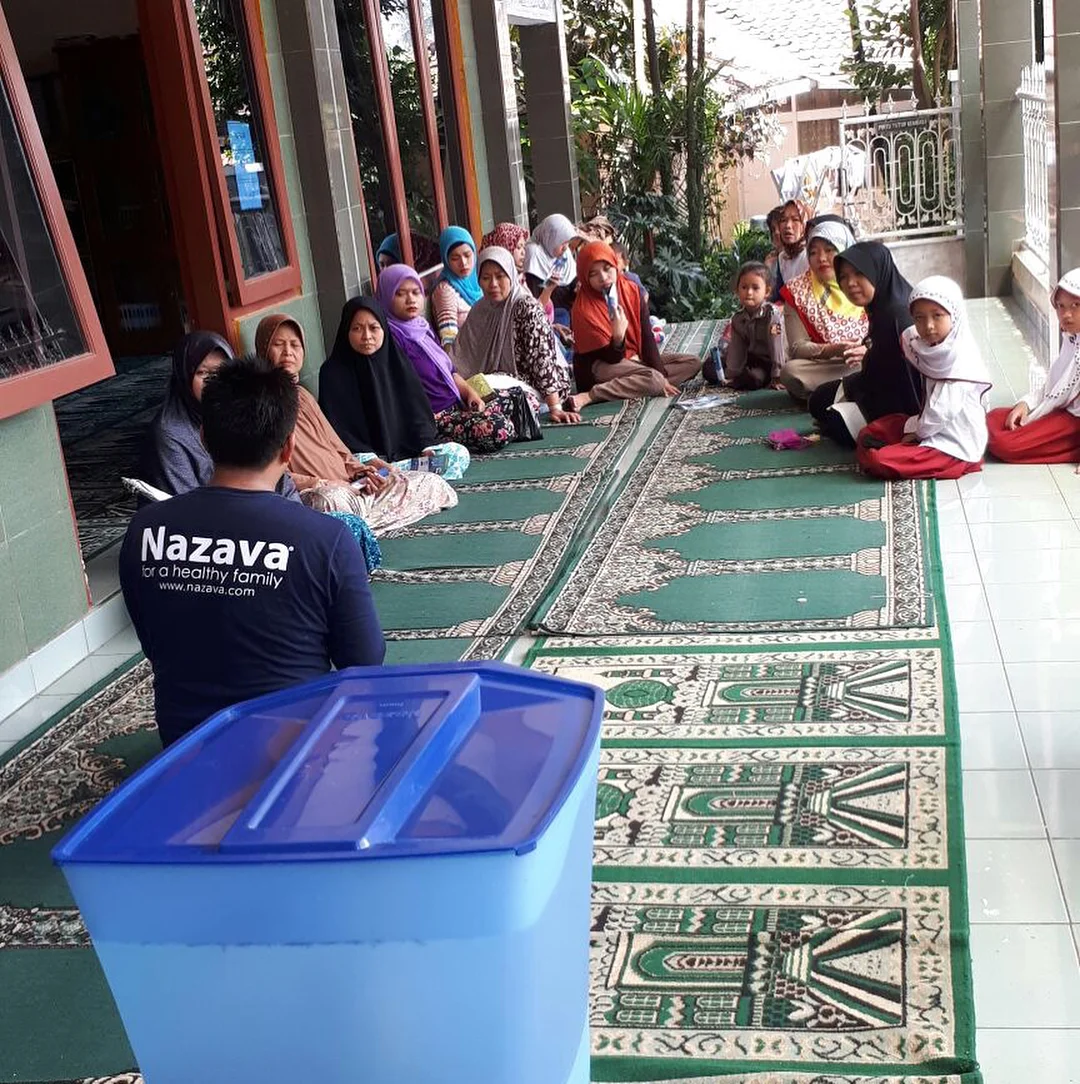
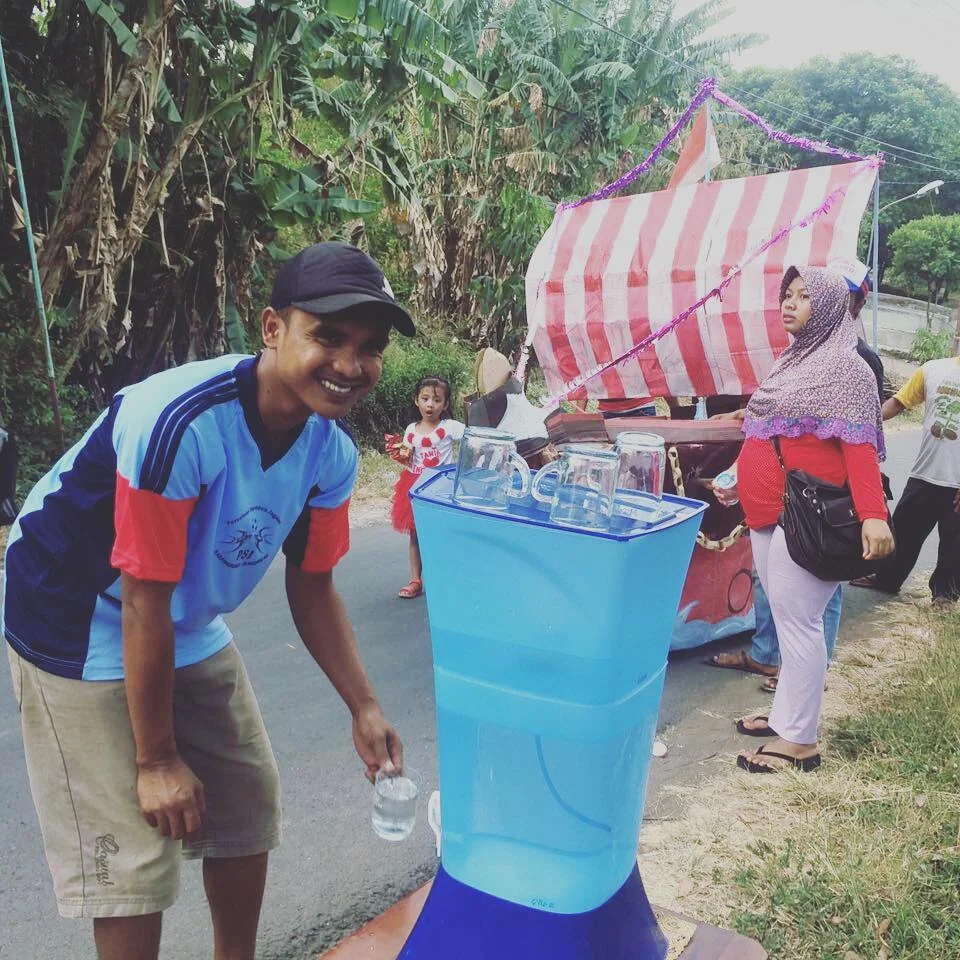
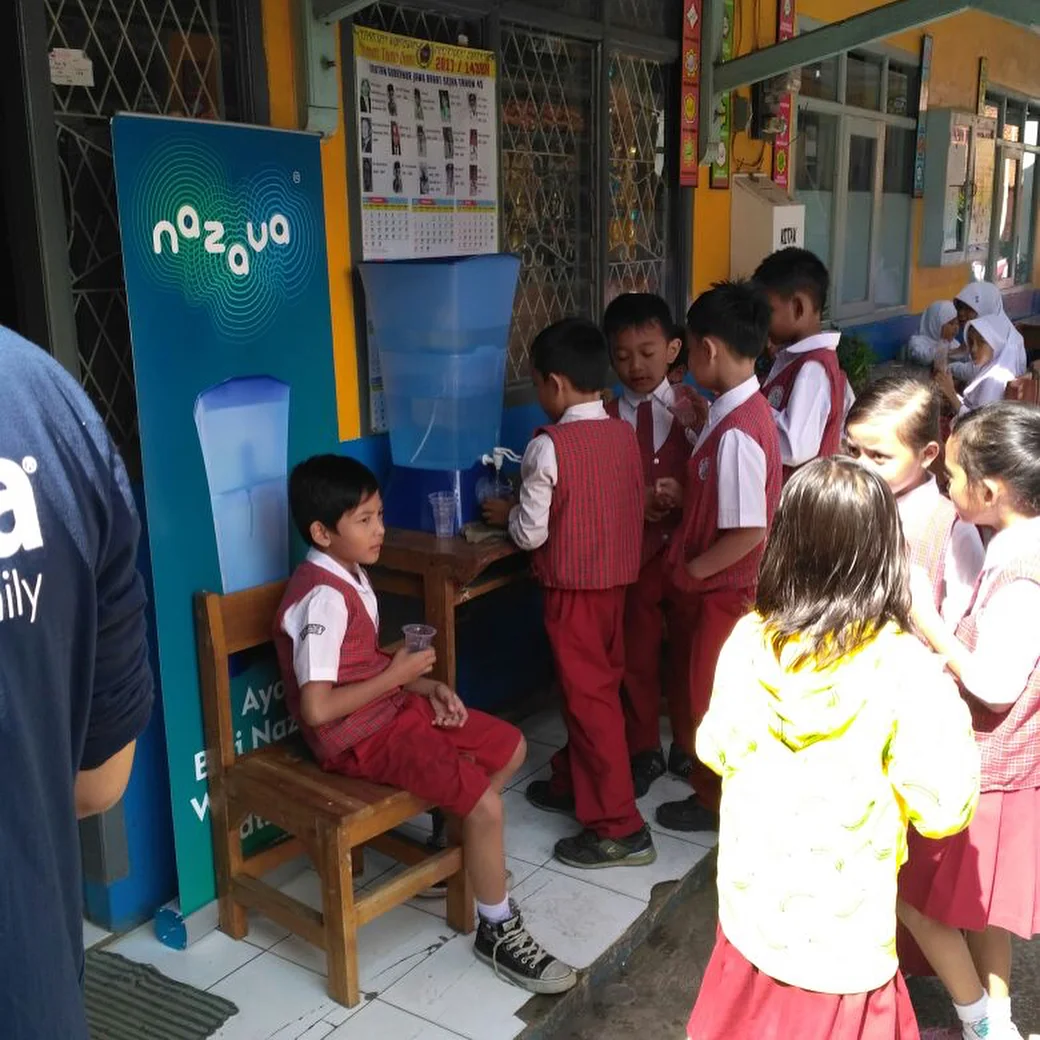
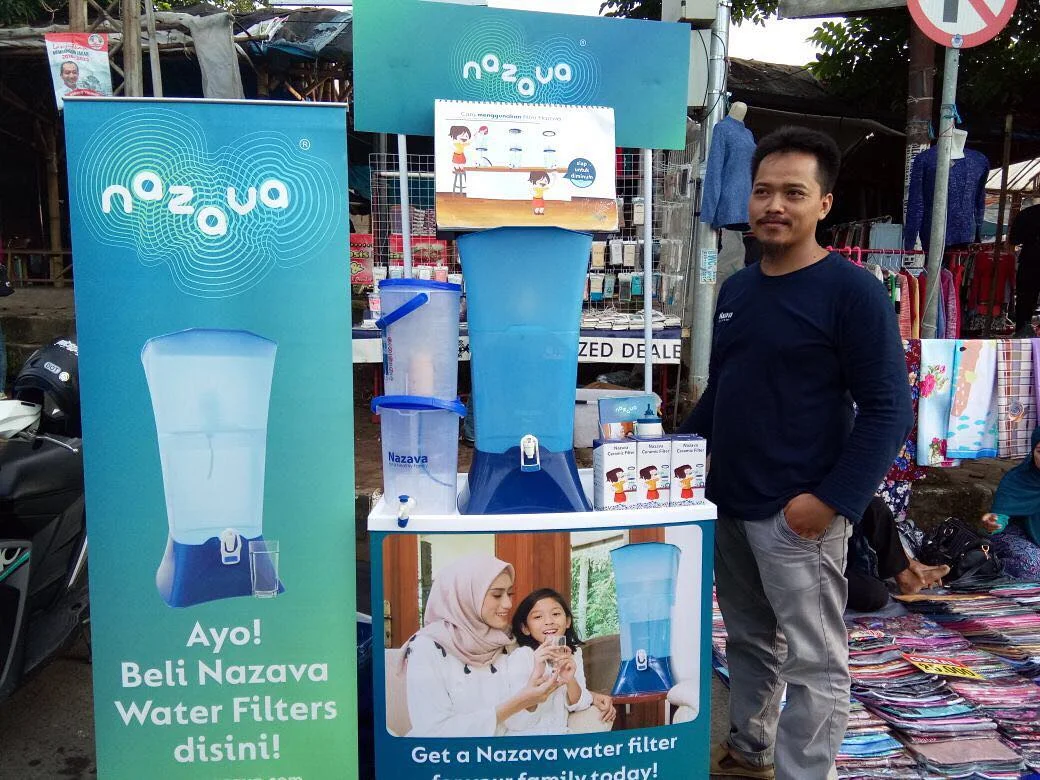
Indonesia based company Nazava developed an affordable solution for low-income families. They turned two plastic buckets, a tap and a high-grade ceramic filter into a 27 USD water purification system. The problem, however, was that many Indonesians did not seem to fully trust Nazava’s product.
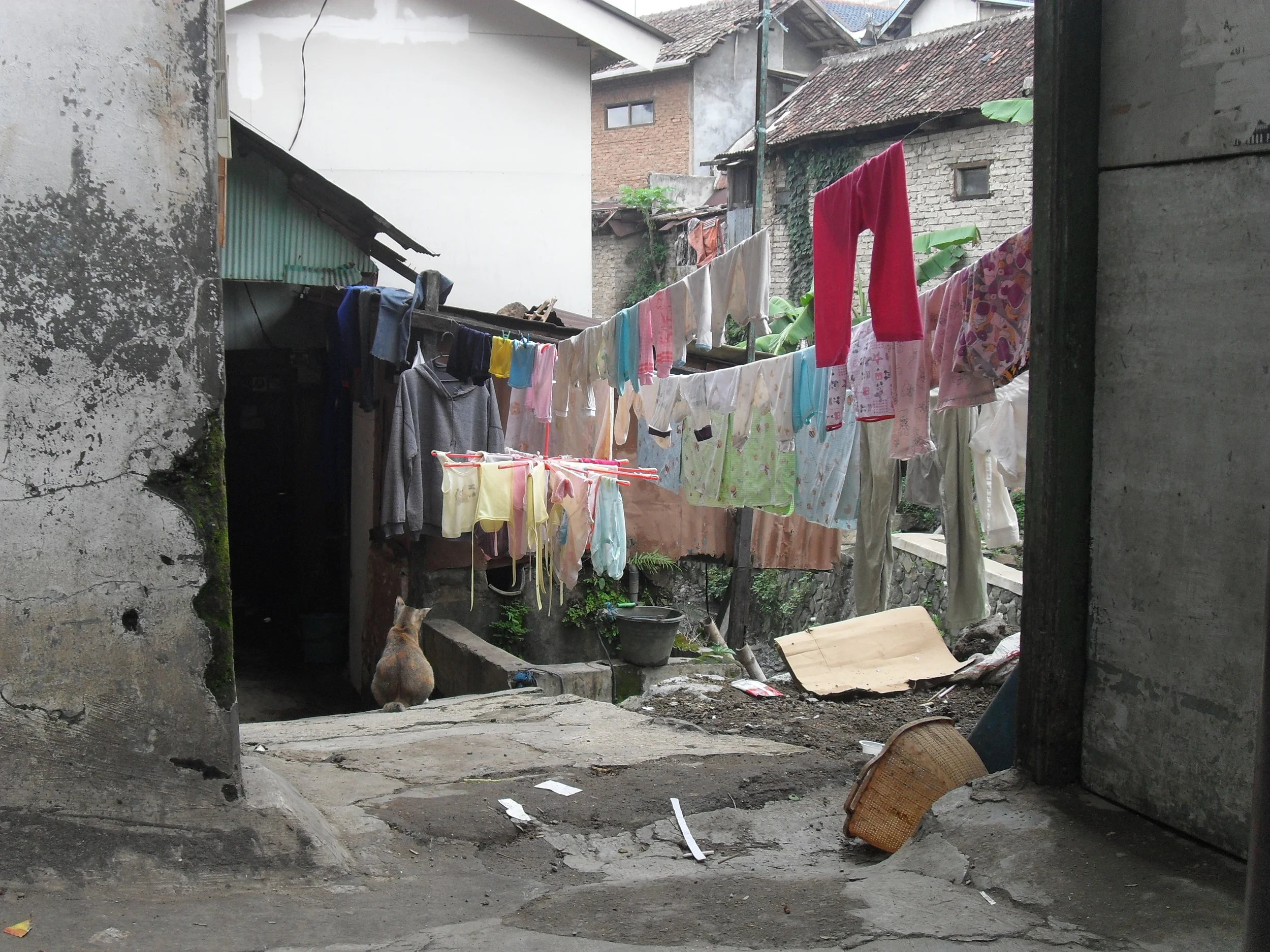
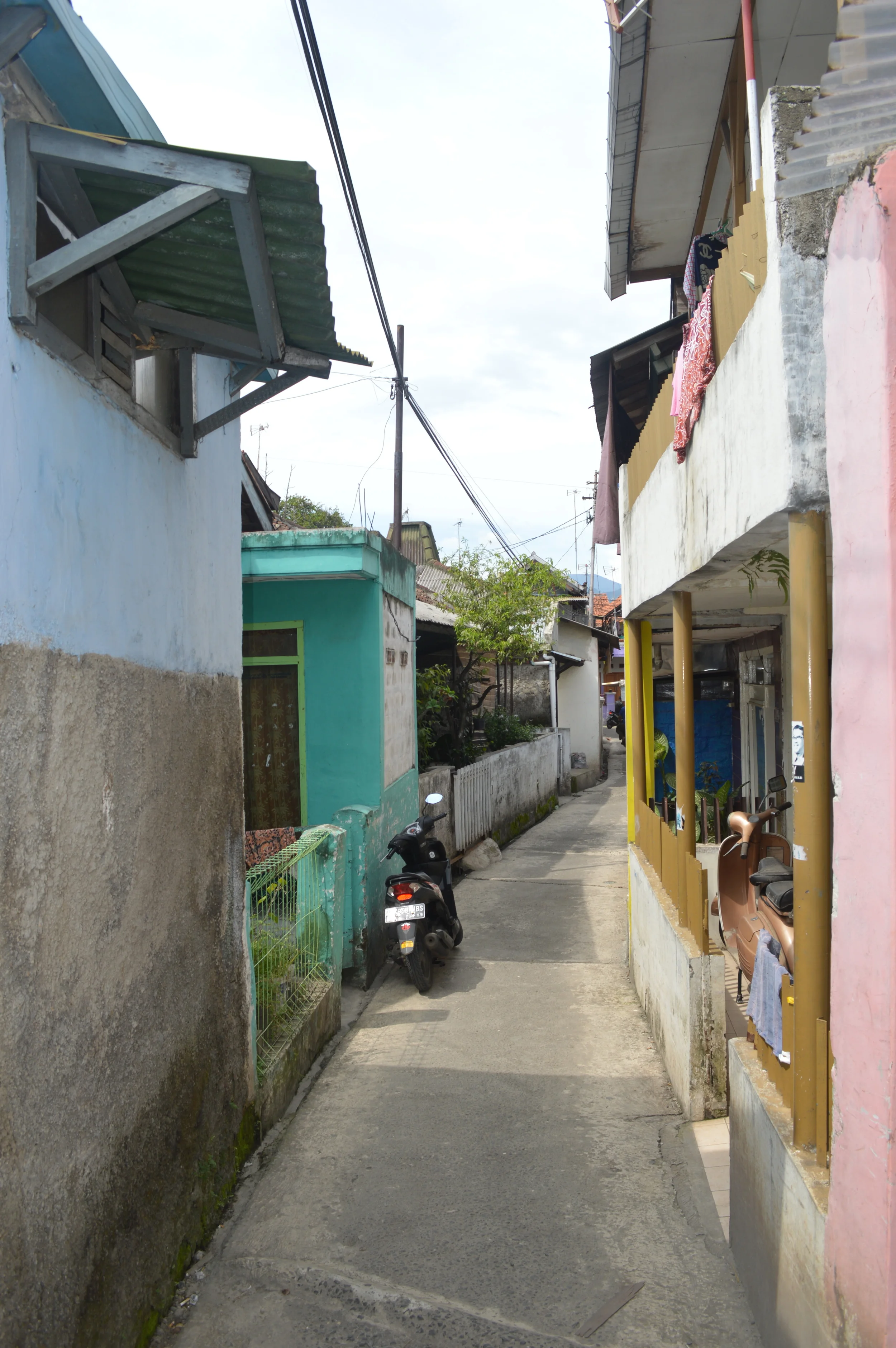
Project: Design of the embodiment of a household water purification system
Client: Nazava (2014)
Responsibilities: ethnographic research, user research, strategy (support), interaction design, industrial design (support), prototyping, usability testing
Goal
In this self-acquired project, 3 fellow students and I were asked to design a new water purification system embodiment that would appeal to and be affordable for the majority of low-income families in Indonesia.
The design of a new embodiment combined with the implementation of new strategies should increase the overal sales of Nazava’s water purification systems. This should ultimately lead to an improved health status of the Indonesian population, an increase of their disposable income and a decrease of plastic waste.
Approach
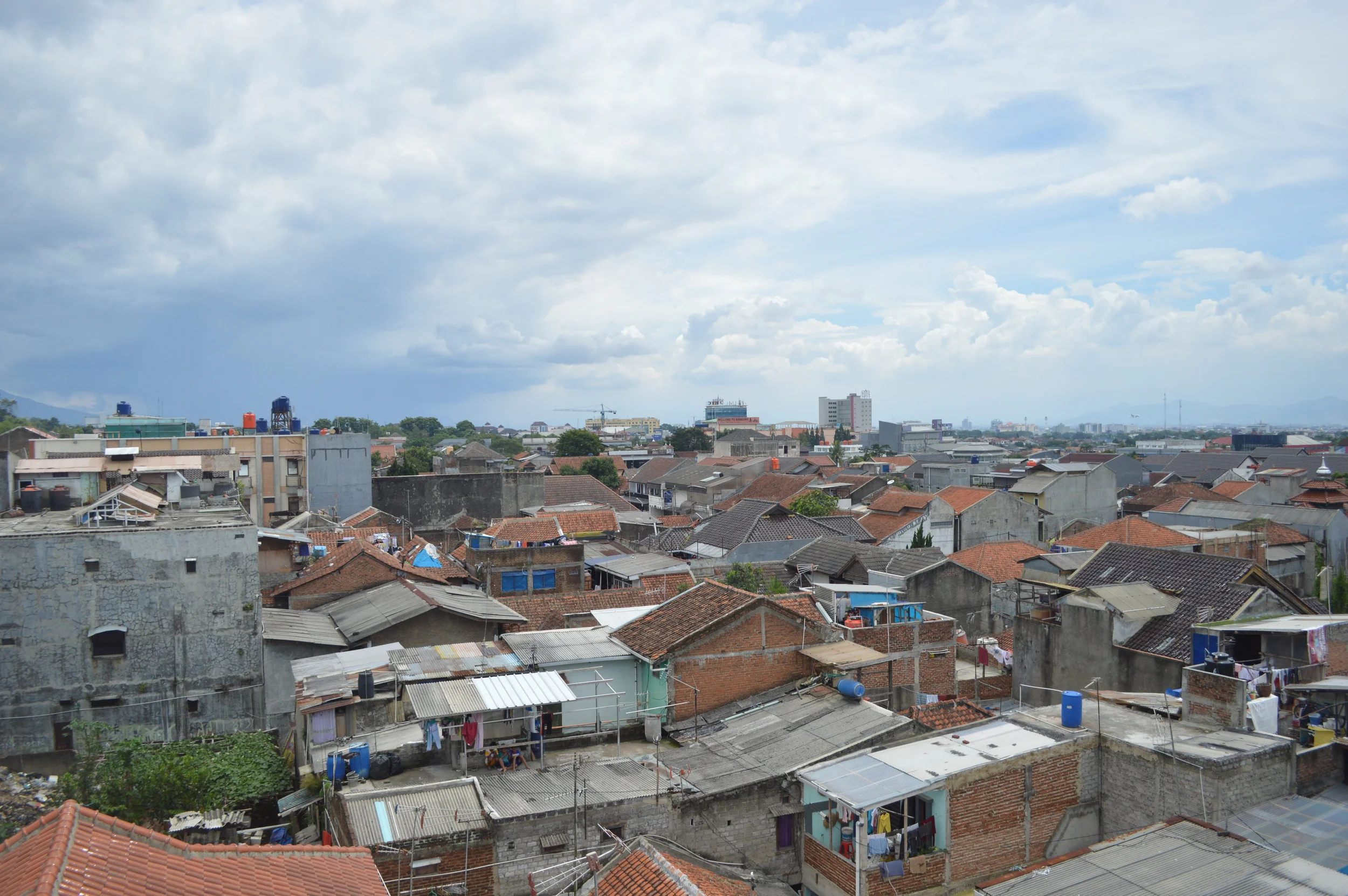
In order to design a water purification system that would seem appealing and affordable, we had to start with getting to know the target group. To better understand low-income Indonesian consumers we did elaborate upfront research. We conducted a competitor analysis and applied the DEPEST model to beter understand the market and the culture. We conducted interviews with the Nazava founders, resellers and clients. All this gave us many insights in the general needs and motivations of our target group.
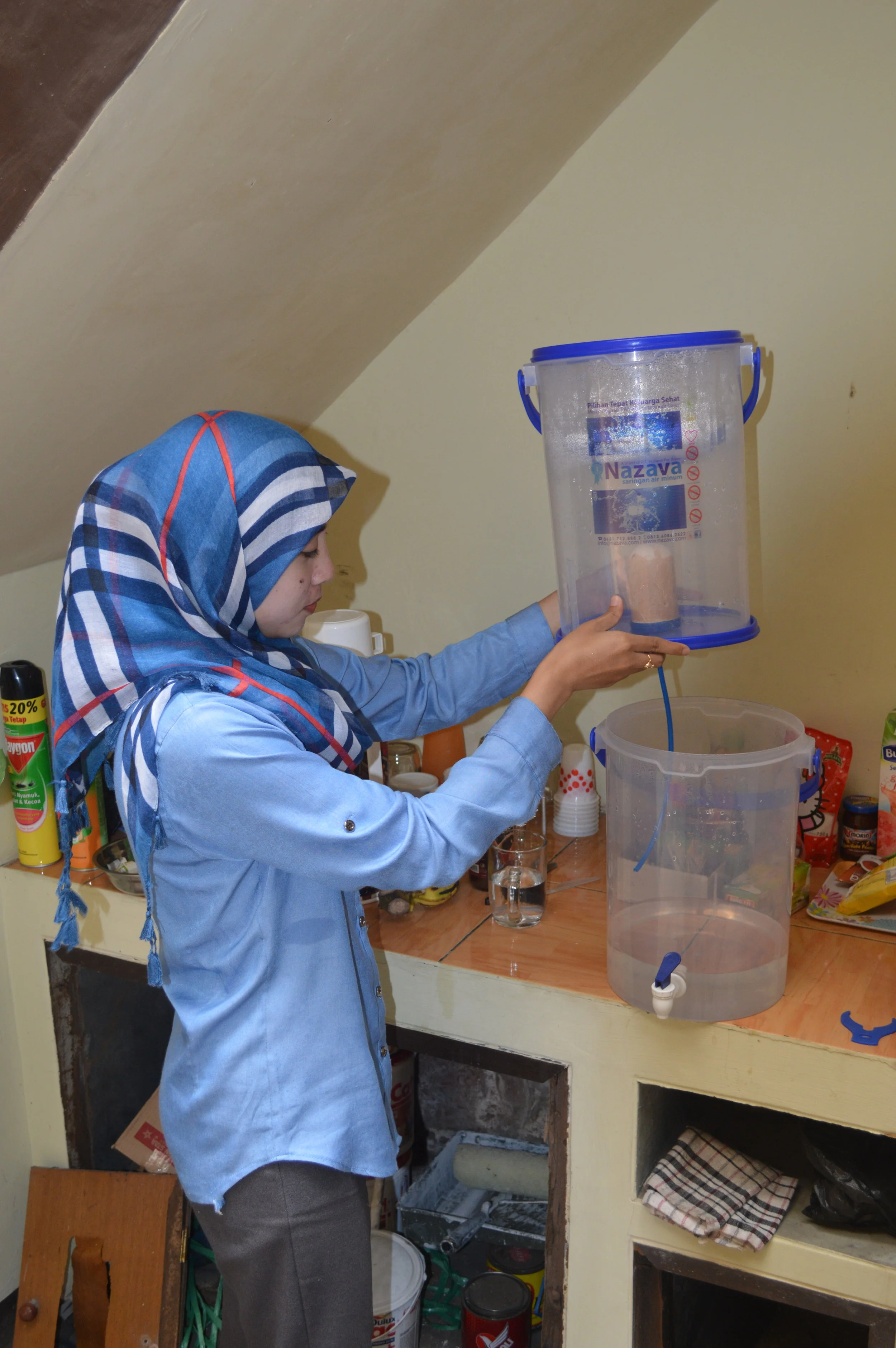
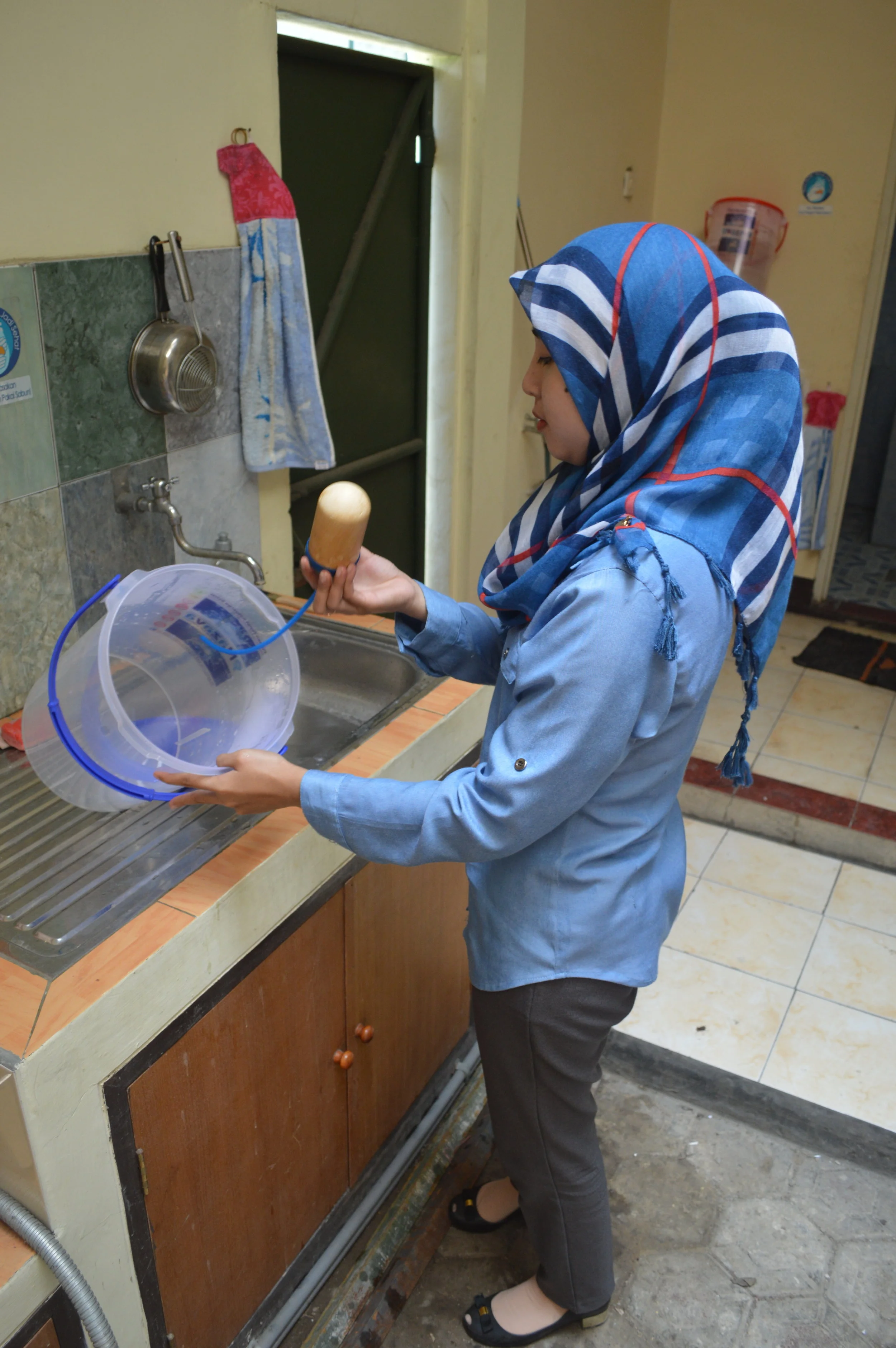
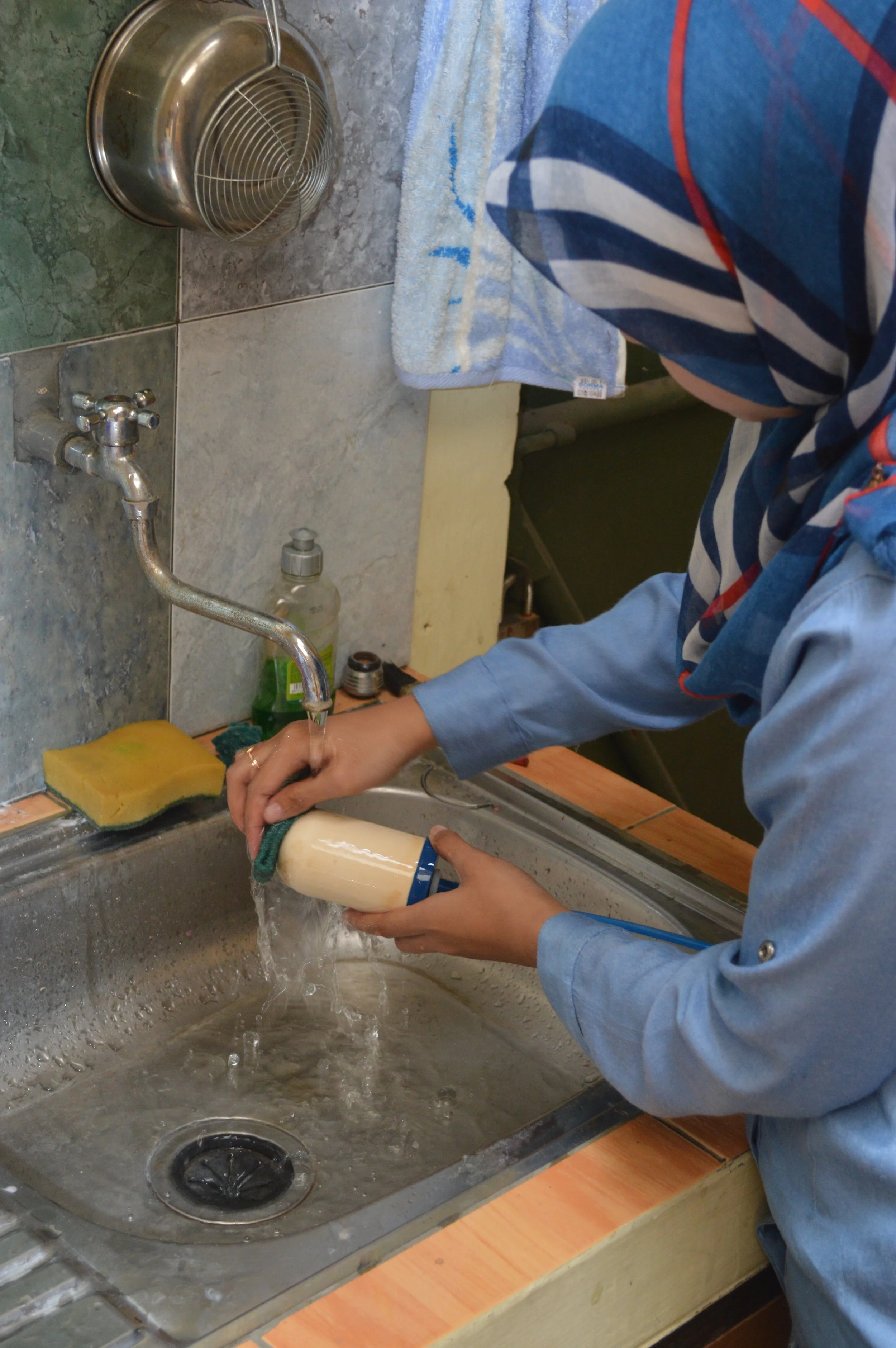
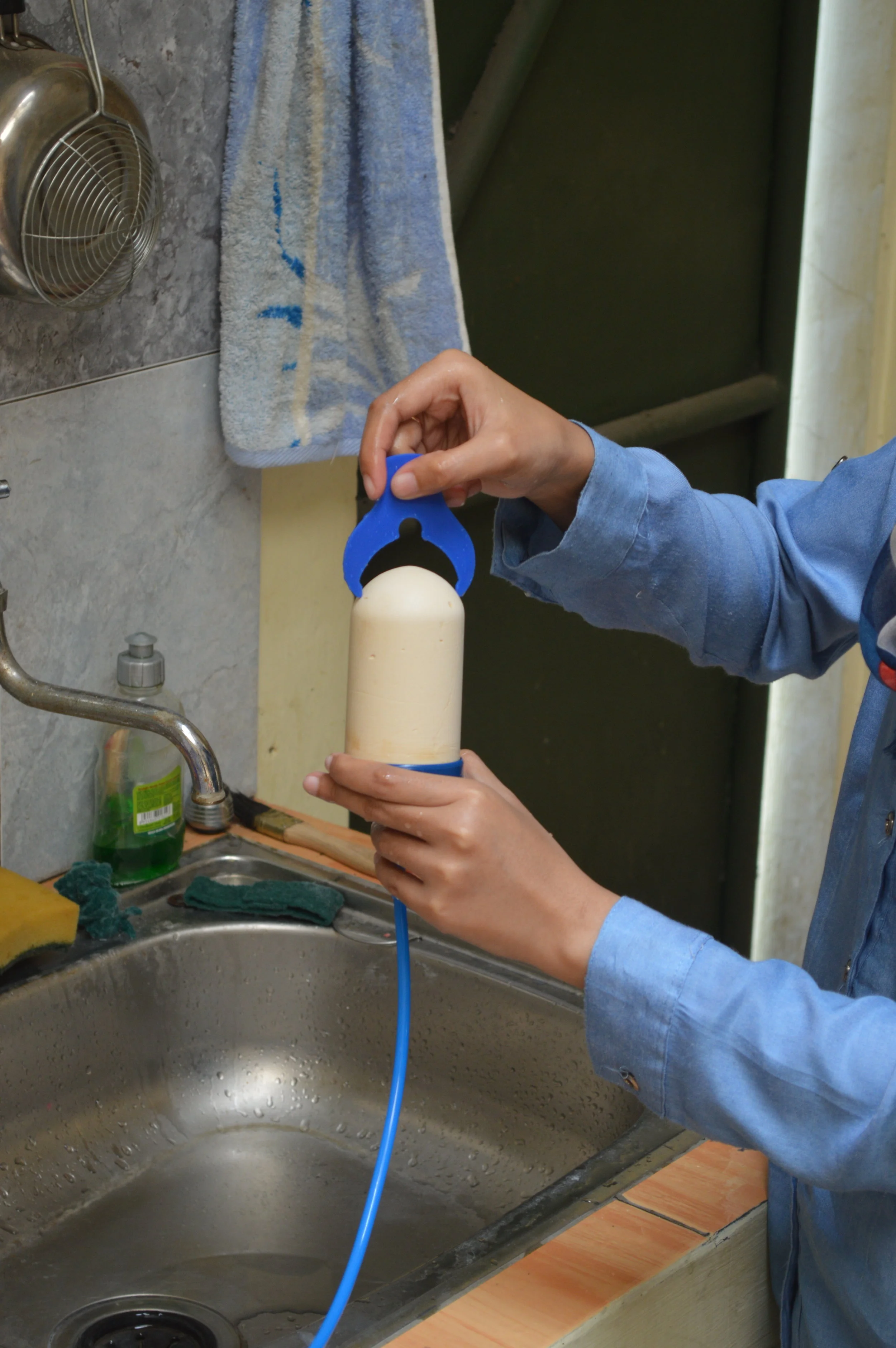
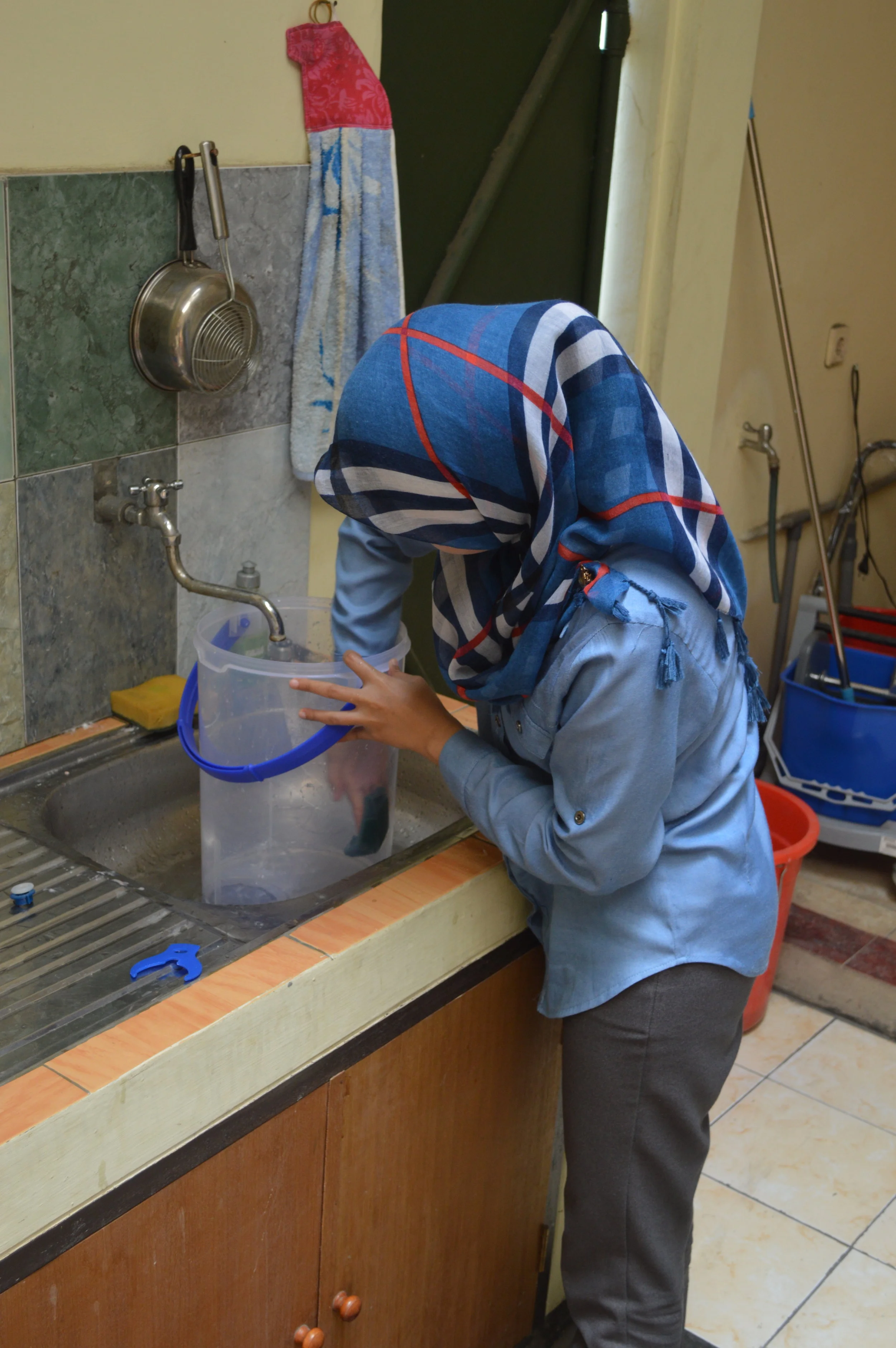
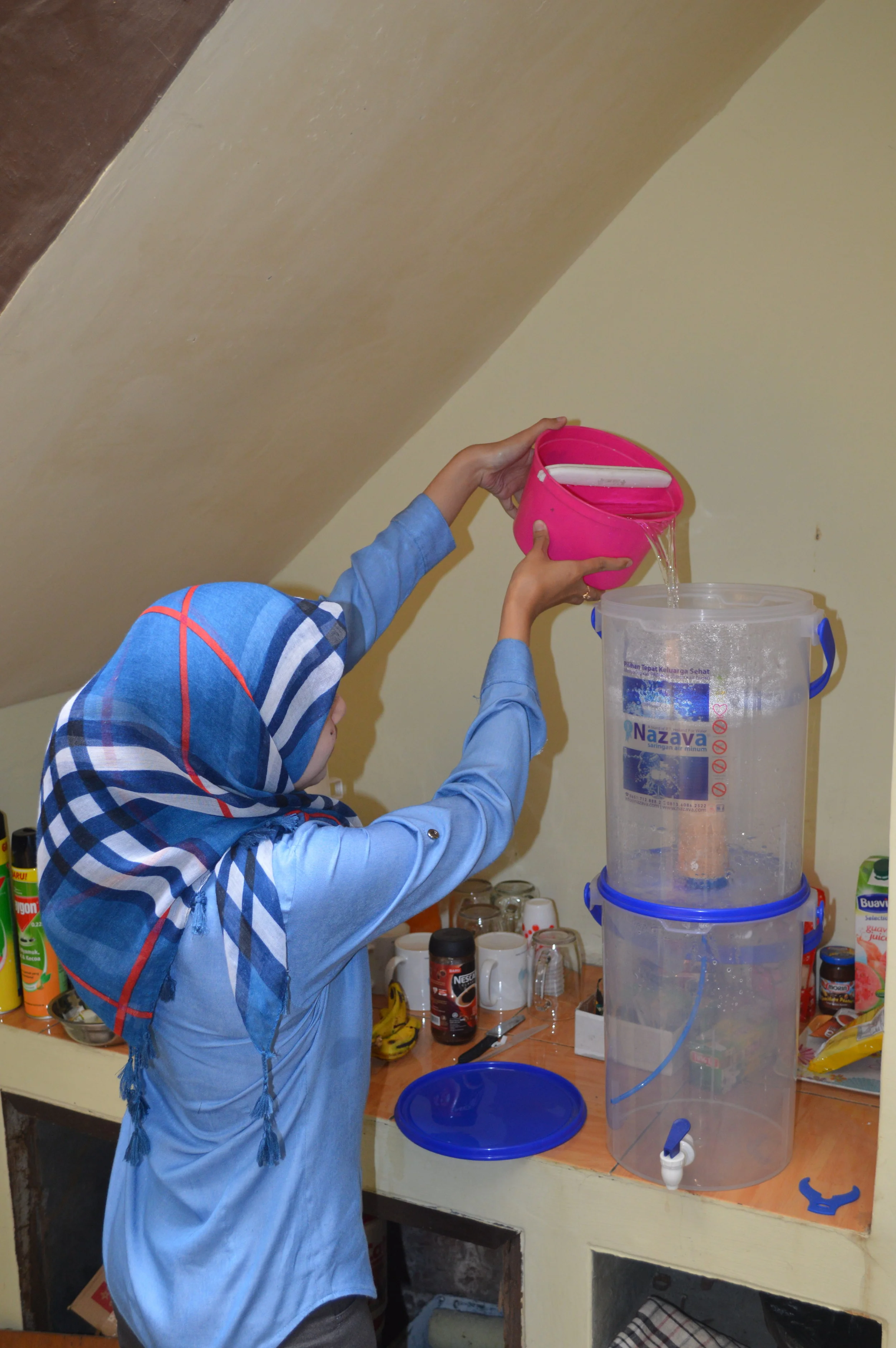
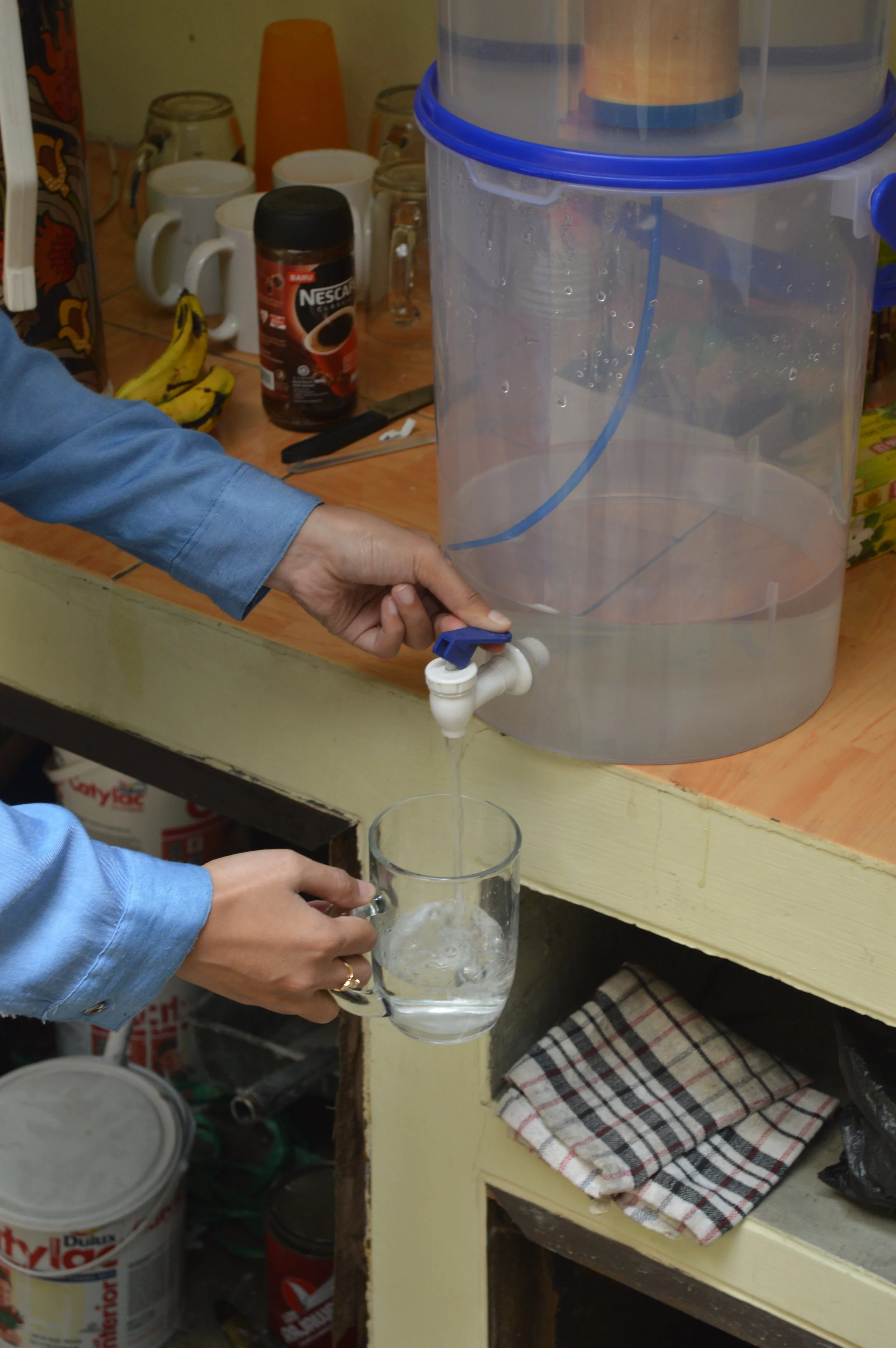
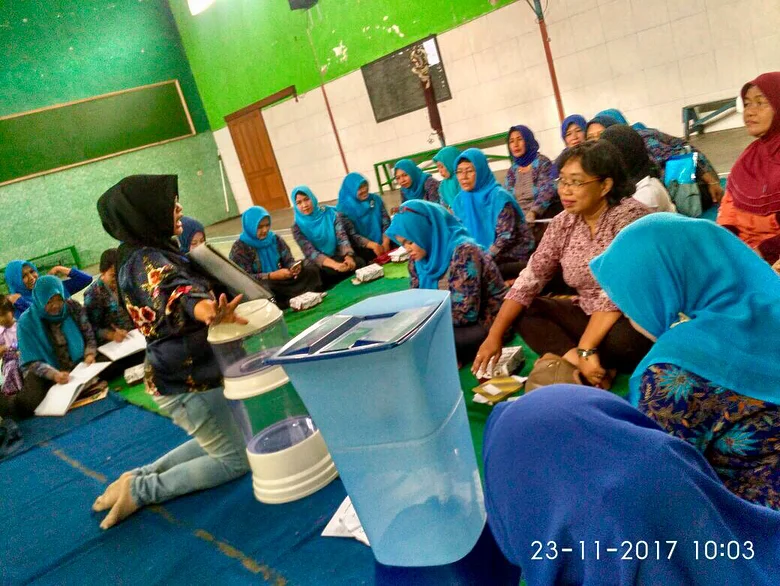
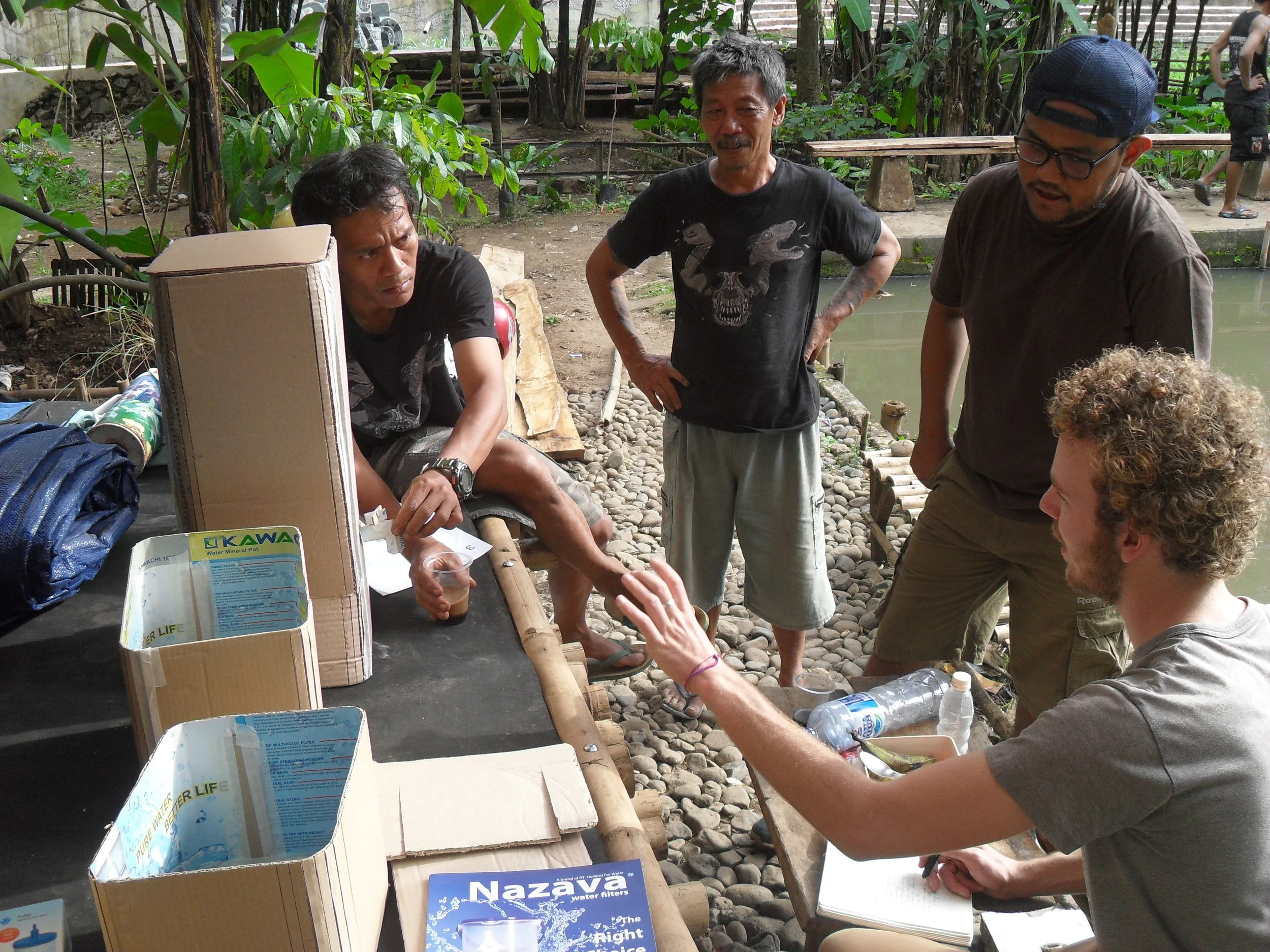
Studying the use of Nazava’s Bening water filter with an existing user/client.

Conducting an elaborate interview with a woman who currently does not use a water filter
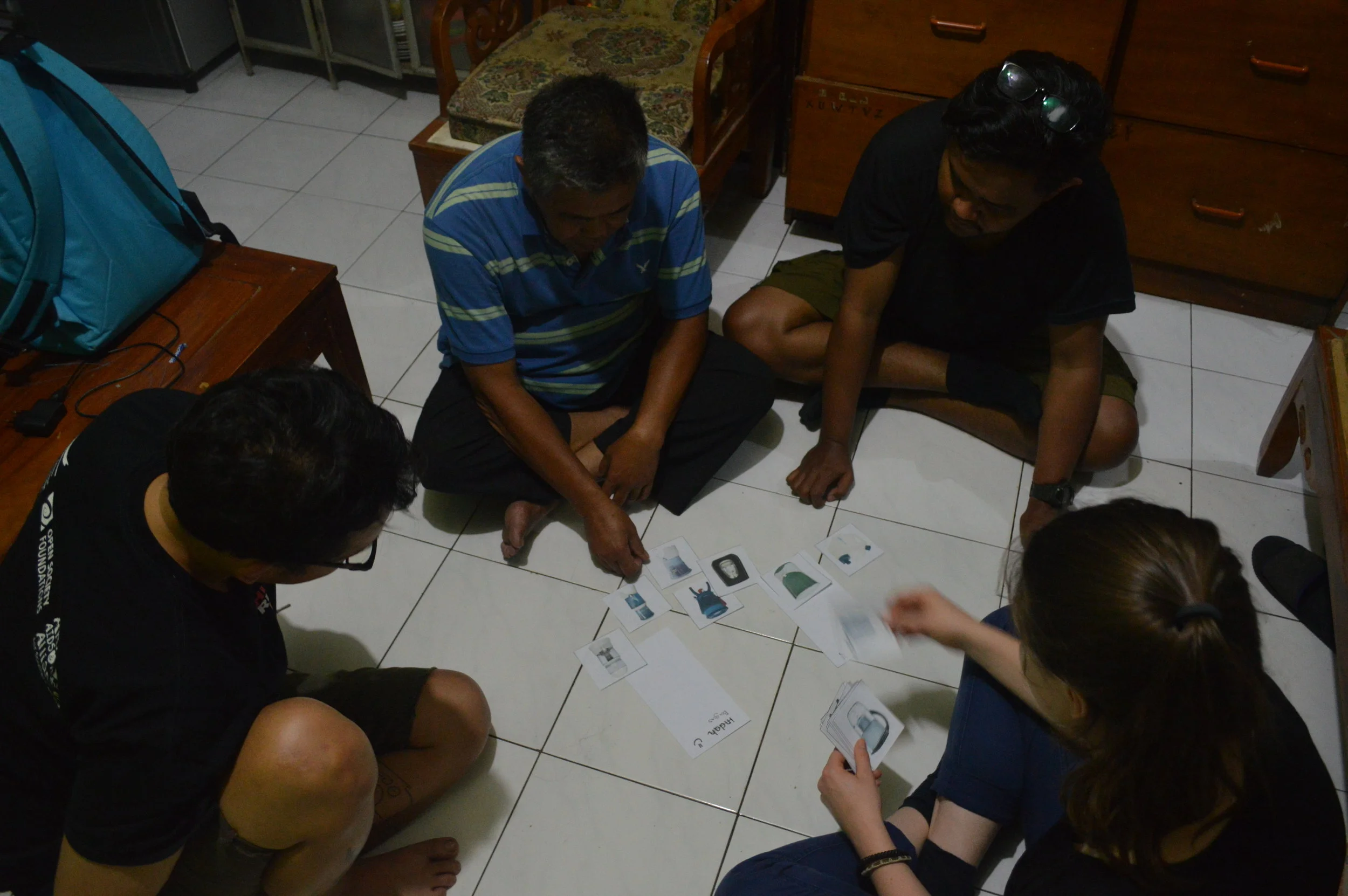
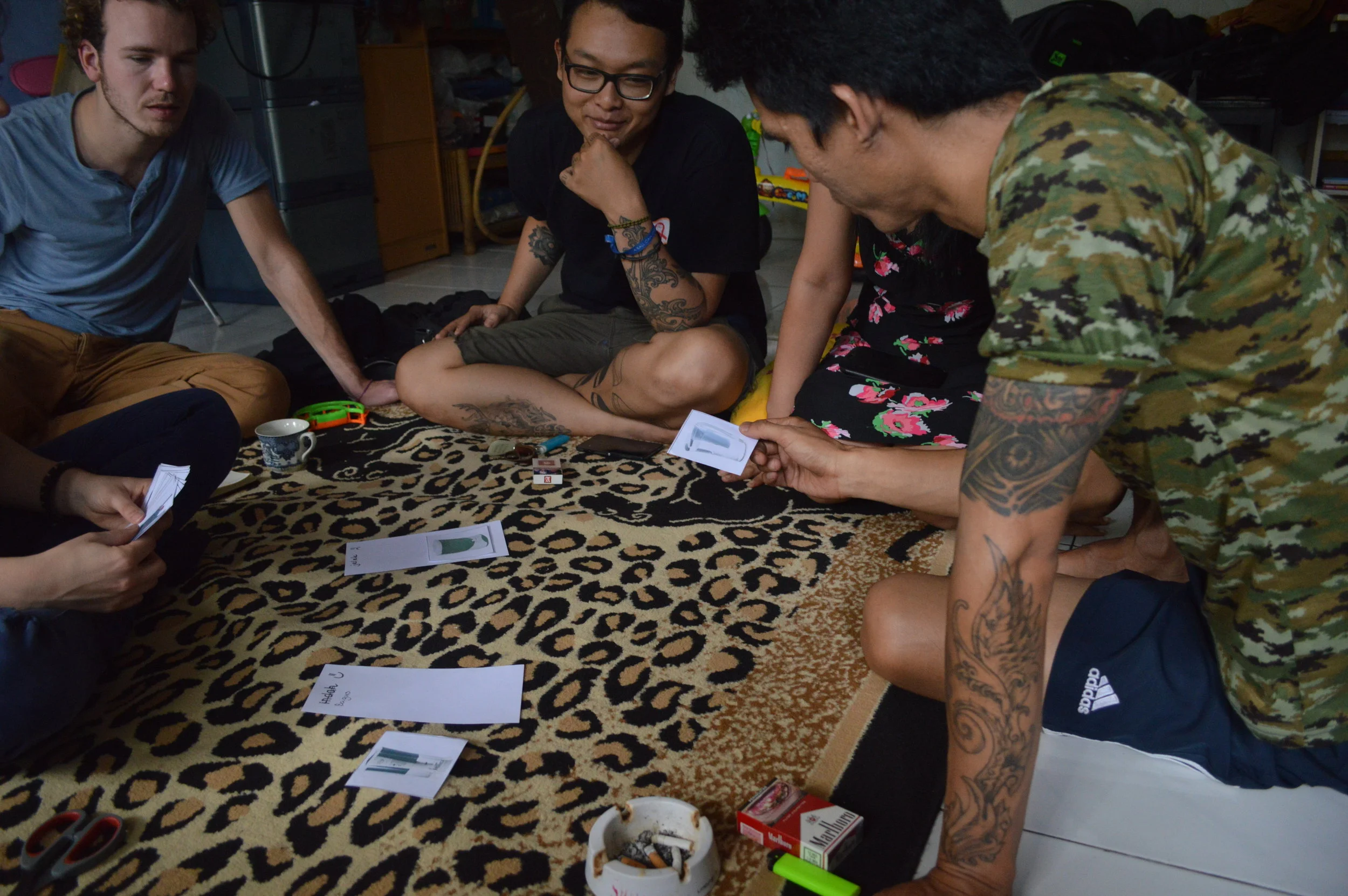
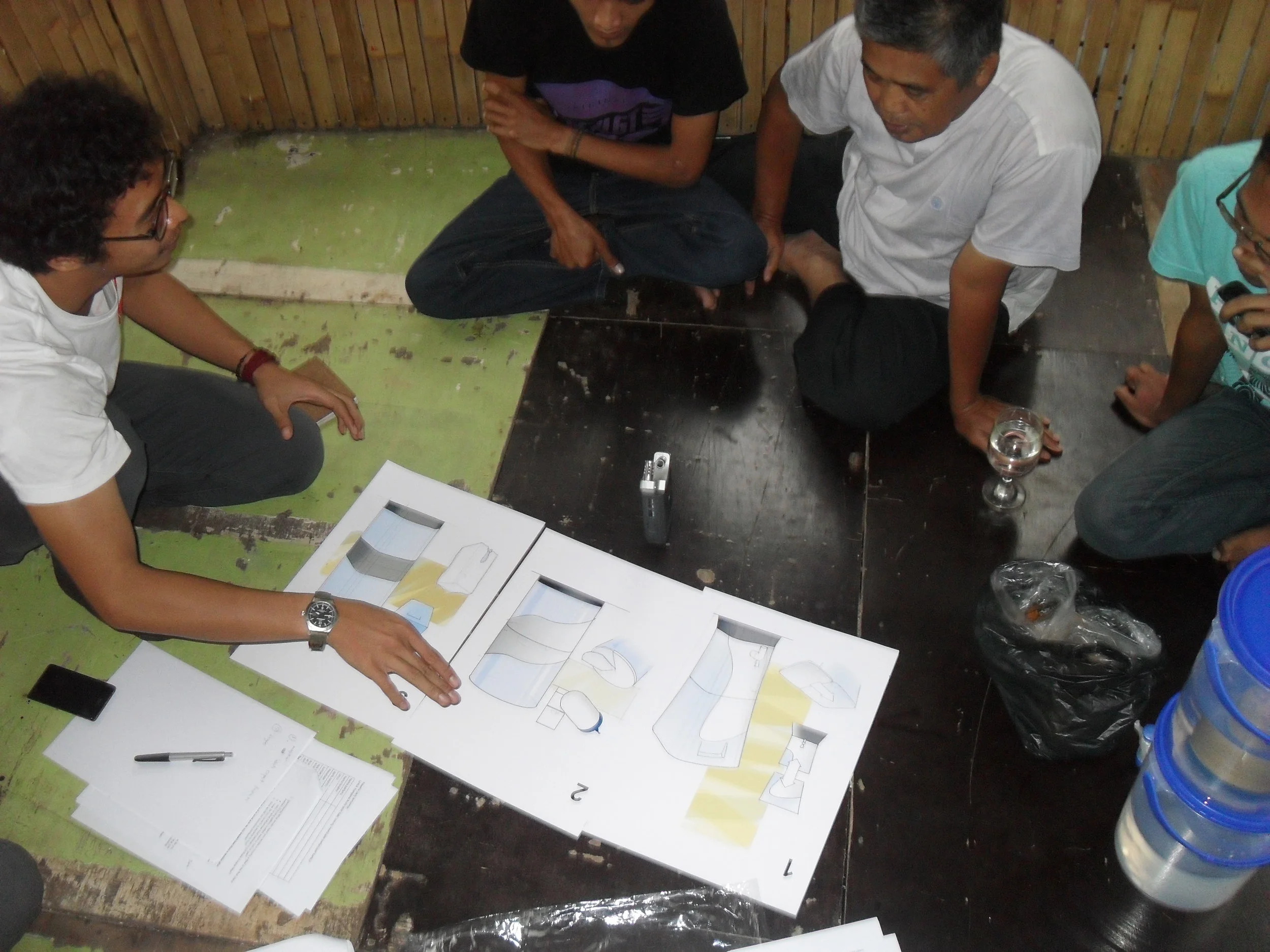
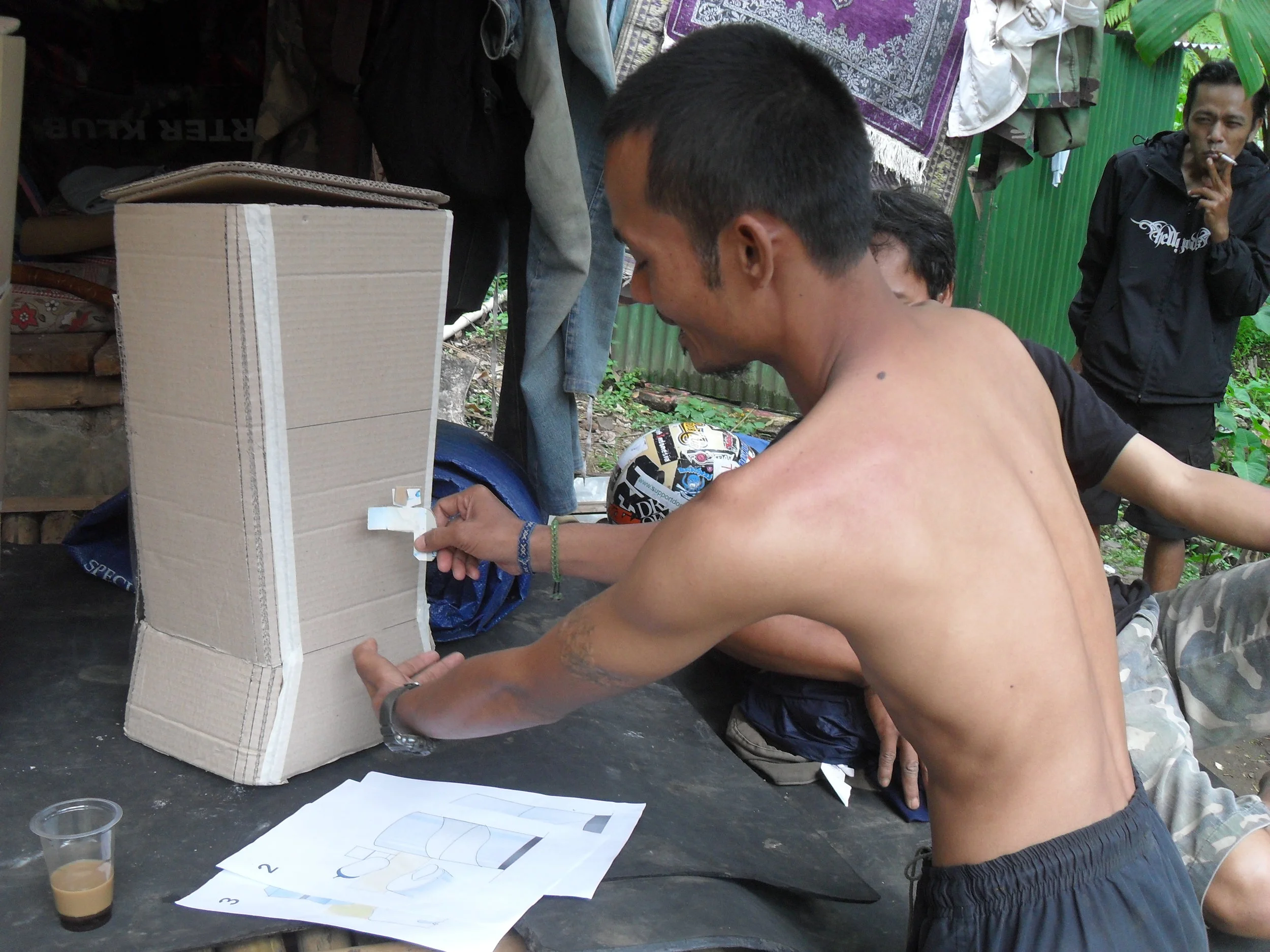
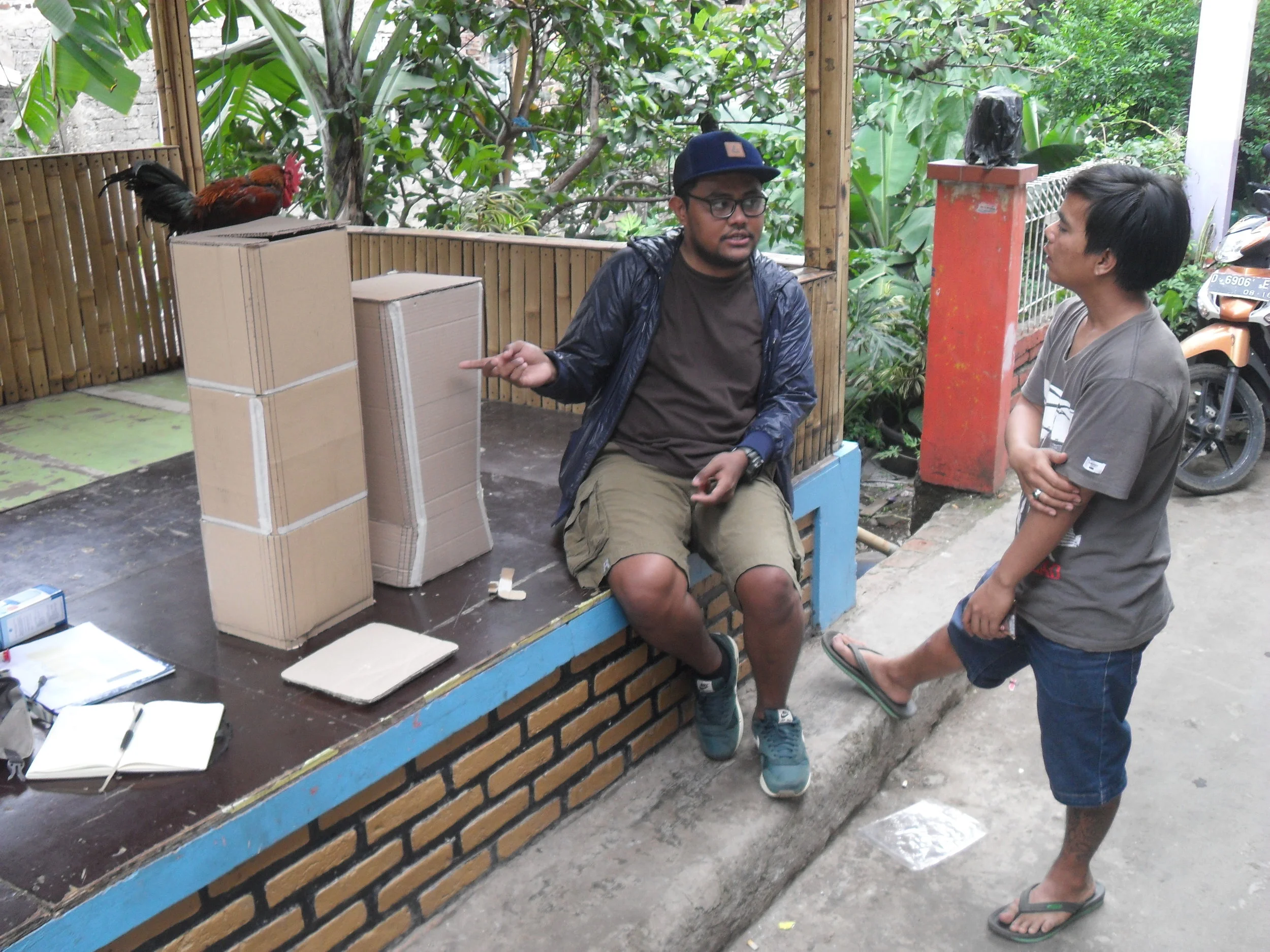
In a second one-month visit to Indonesia we did more elaborate interviews with our target group. We also created our own tools to get a better understanding of what shapes, colours and materials are considered high quality and which ones aren’t. The outcomes of this research lead us to design three concepts. The aesthetics of the concept sketches were tested in a focus-group setting. Later on, the same concepts were tested again with individual users, this time with a focus on use and dimensions. We used cardboard prototypes for this round of testing.
Insights
Here is an overview with some of the key insights that influenced the project results:
WHAT THE USERS DO
Some of the users of the existing water filter (Bening) trust the product for their own use, but still boil the filtered water for their guests or children. Boiled water is considered quality drinking water.
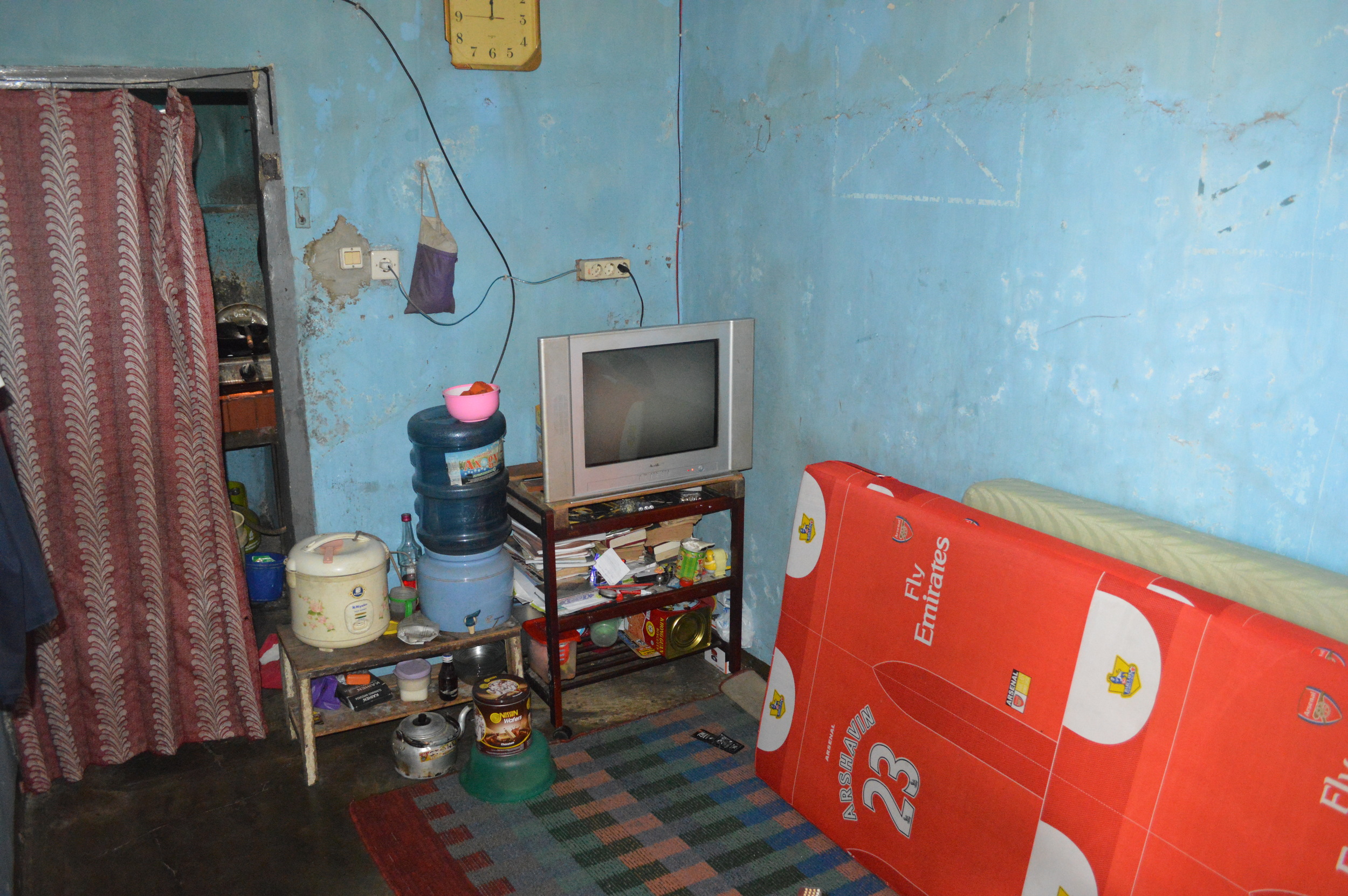
People in Indonesia often show off their possessions that they are proud of. TVs and sound installations have a prominent place in the living room, where guests come.
Users of the Bening usually place the water filter in their kitchen where guests cannot see it.
WHAT THE USERS THINK
Some Bening users trust the filter because they see the filter itself getting dirty.
Some Bening users trust the filter because they see other users not getting sick.
Some Bening users trust the filter because people with high social status also use it.
Some Bening users don’t trust the dirty water in the top bucket close to the filtered water in the lower bucket. It feels unsettling to see dirty water so close to clean water.
Aesthetically pleasing products are perceived as good quality products.
Some users perceive the Bening as a low quality product because it looks ‘home made’.
Complex shaped products are perceived as quality products.
Cleaning the filters of the Bening is easy to do.
Getting spare parts for the filter should be easy and affordable.
WHAT THE USERS WANT
Some users desire a more luxurious looking product, however they cannot afford it.
Users want quality and service for their money.
Results
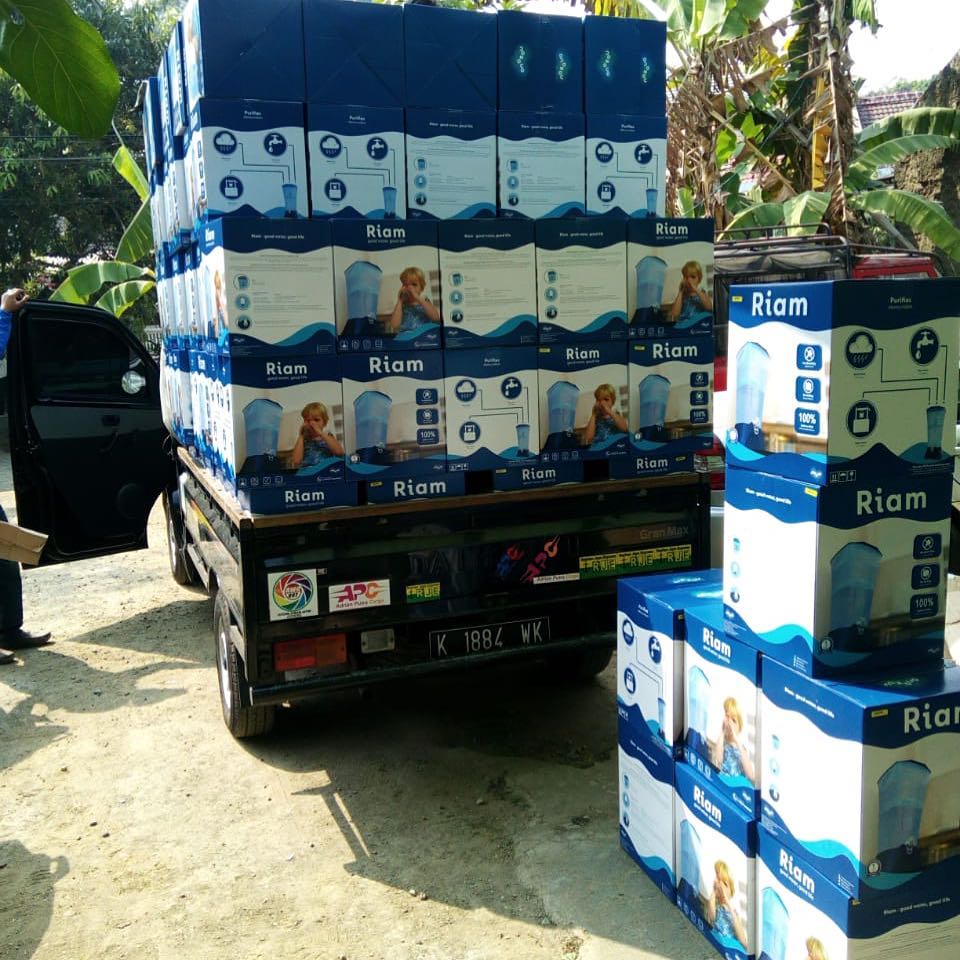
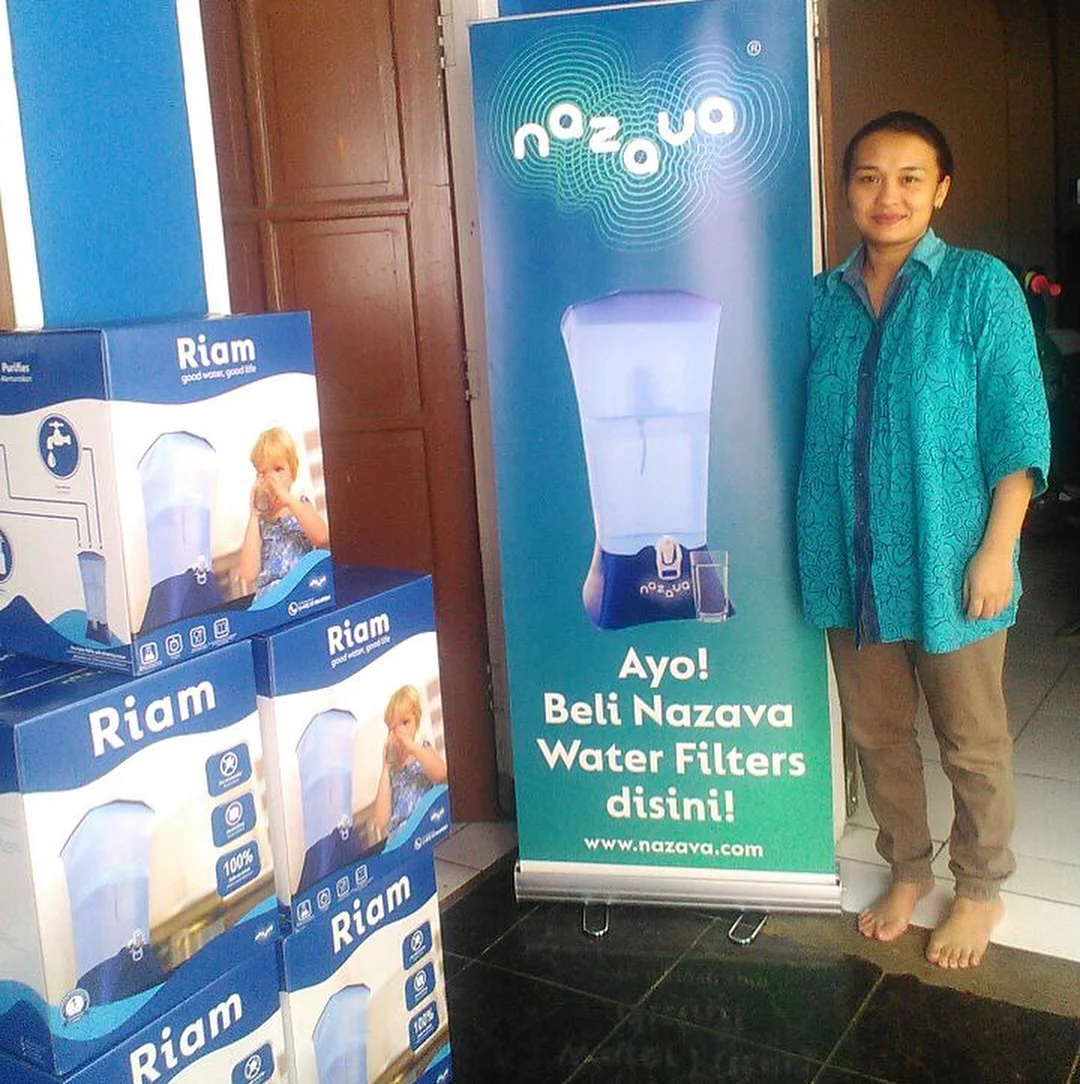
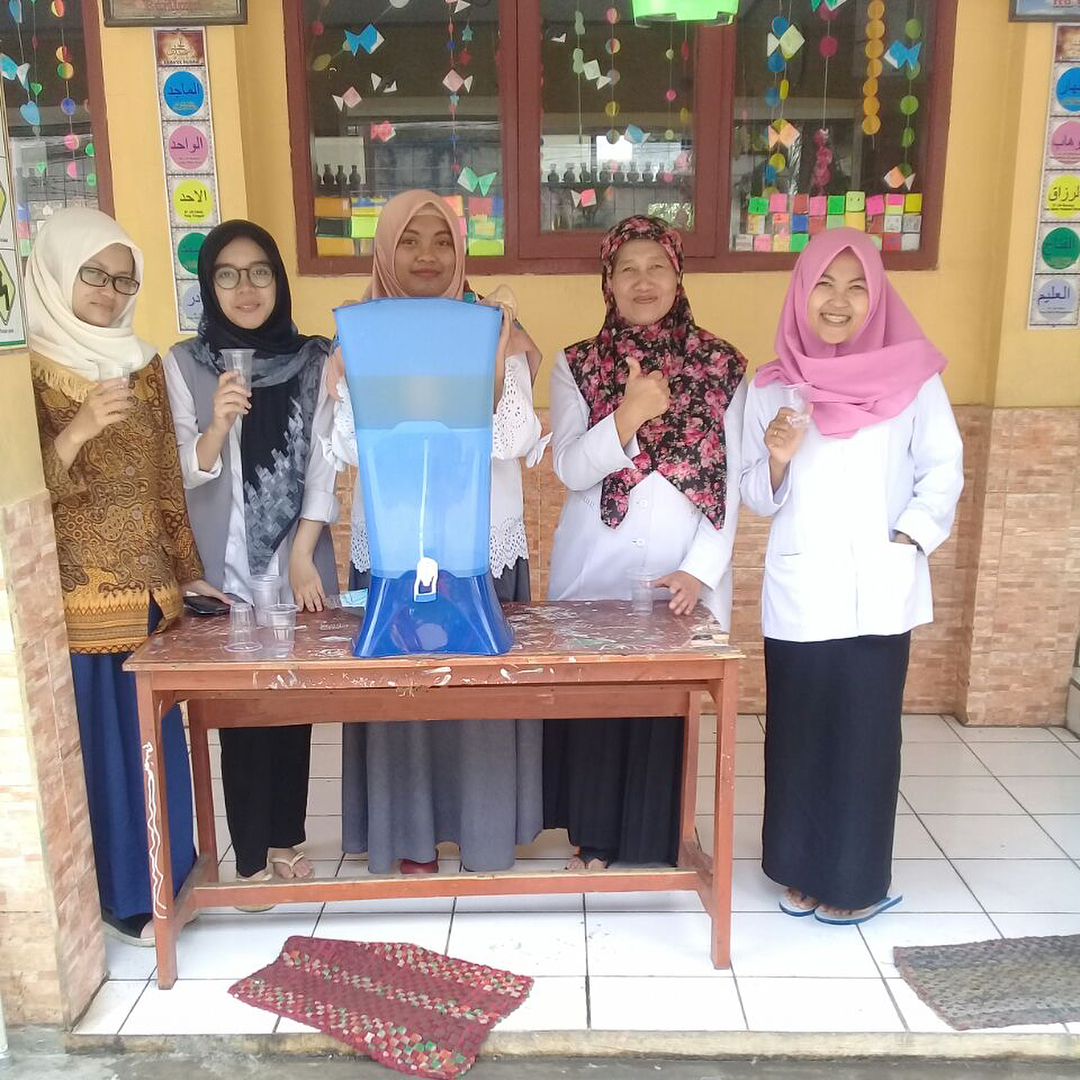
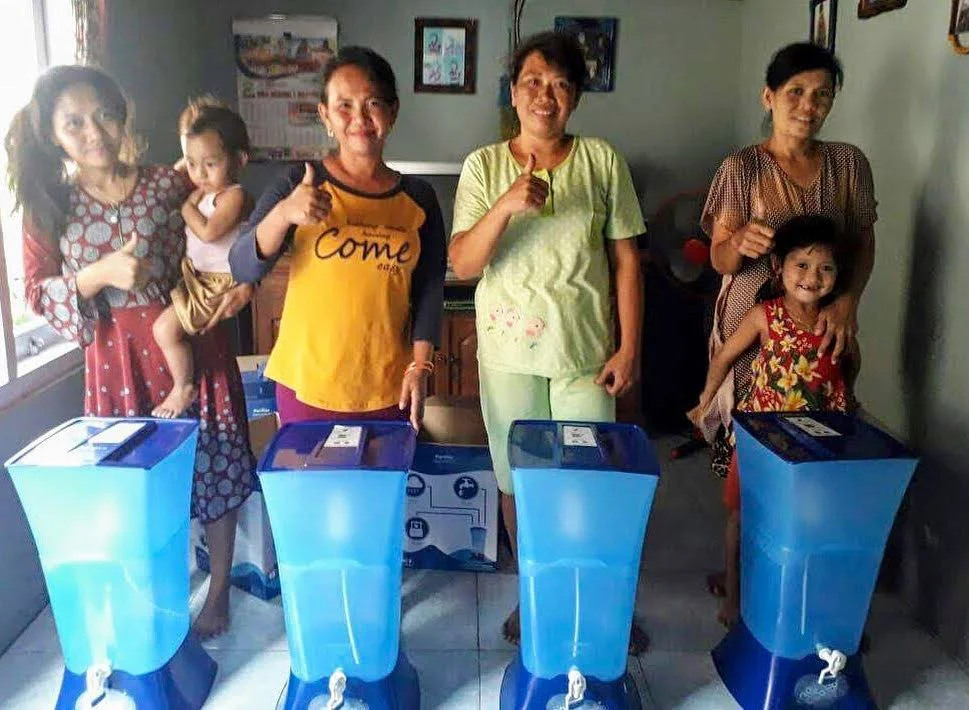
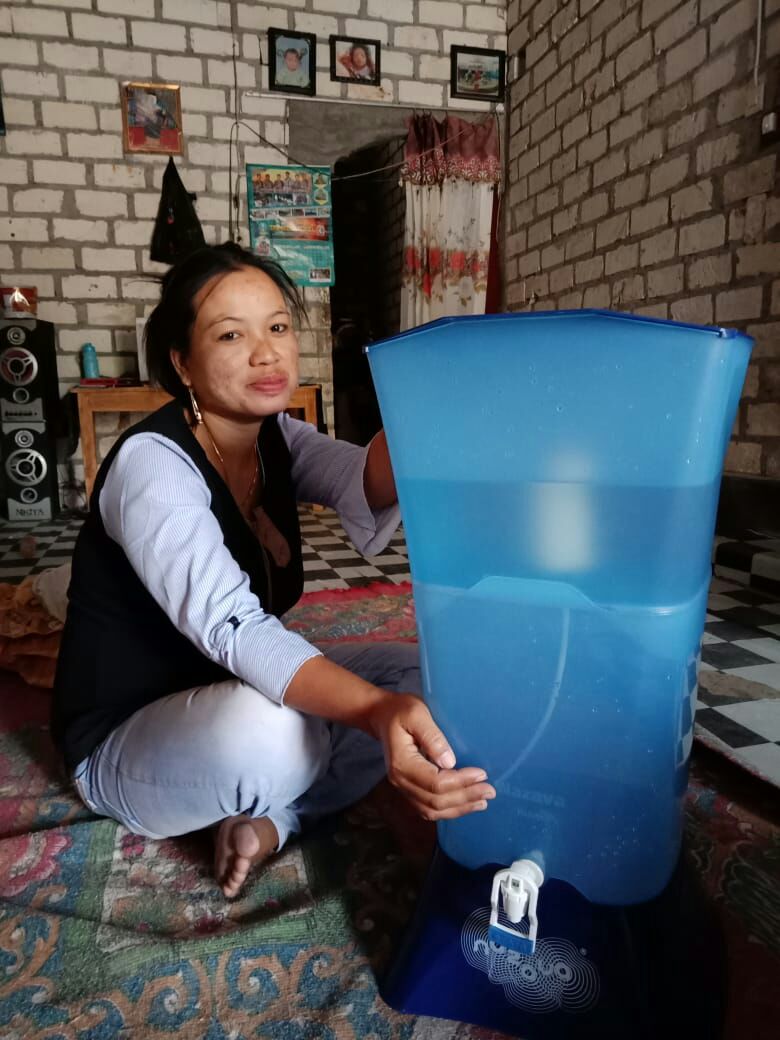
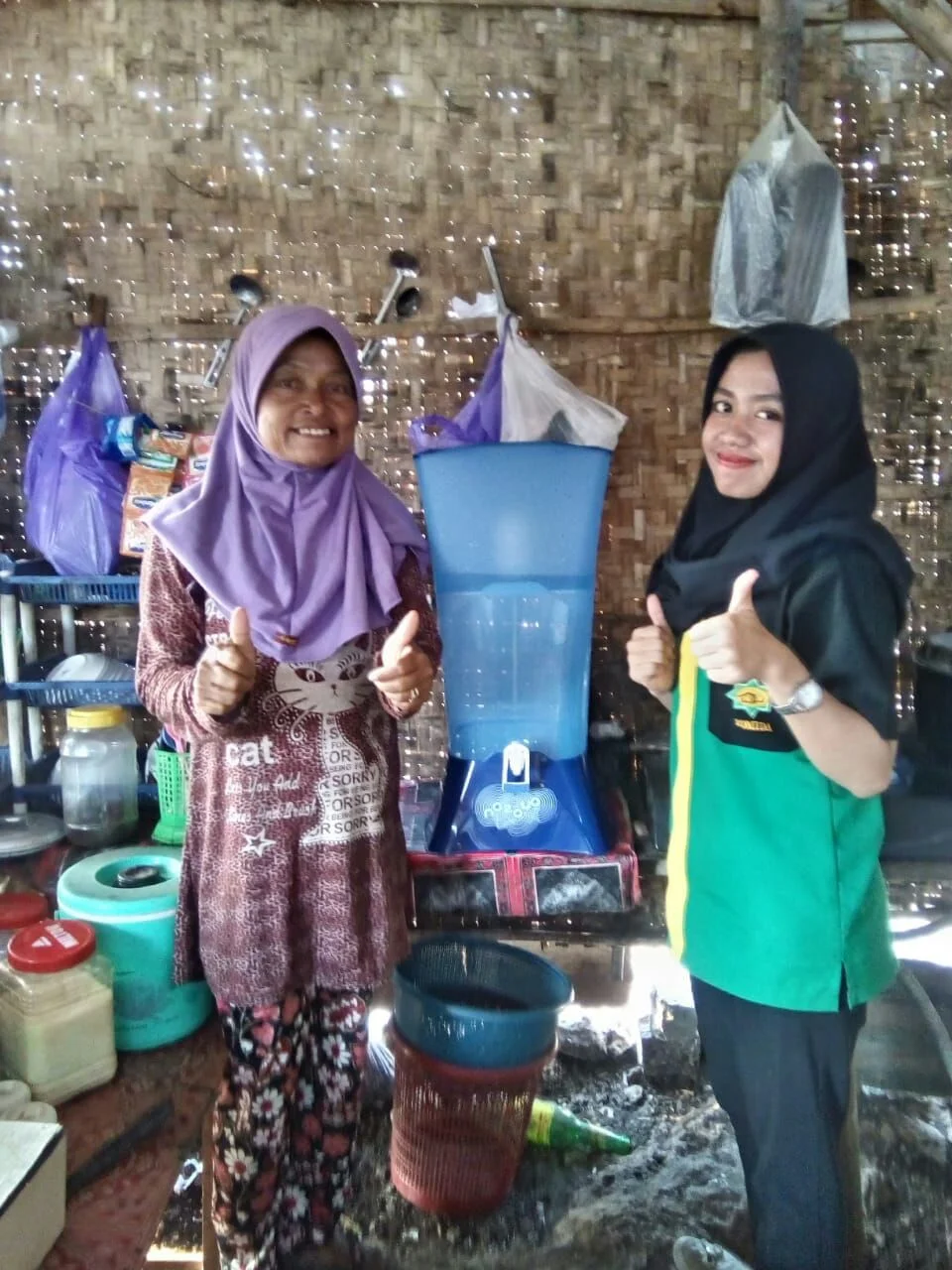
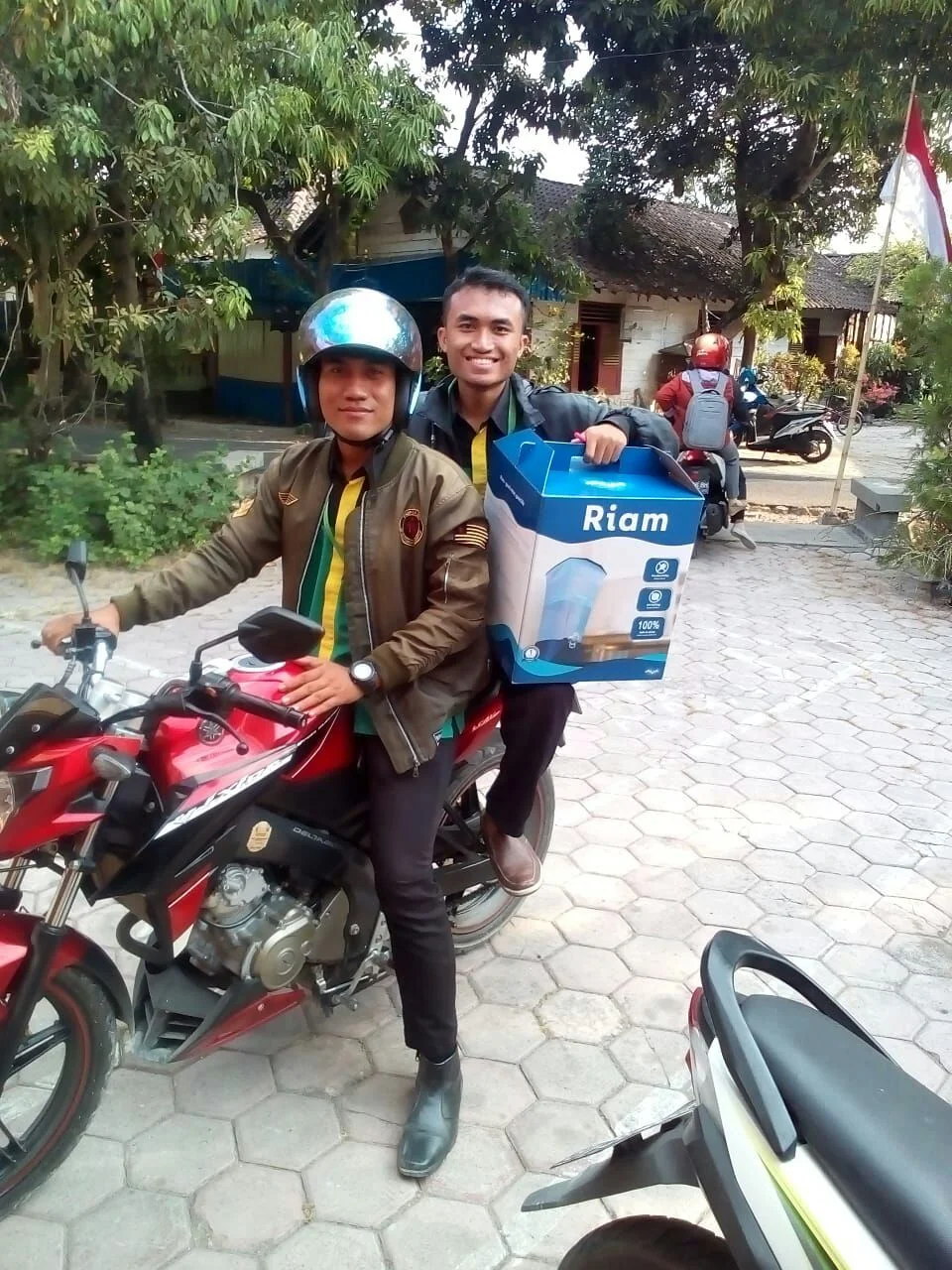
The main result of this project was the design of the Riam (Bahasa Indonesia for ‘waterfall’). With the input and feedback of many Indonesian men and women, we came up with a household water filter that meets the aesthetic, quality and functional needs of our target group.
We believed that if our target group finds the Riam aesthetically pleasing, they would place it in their living room and use its water for themselves and their guests. The product would promote conversation, which eventually could lead to more buyers. This would mean an improved health status of the Indonesian population, an increase of disposable income and a decrease of plastic waste.
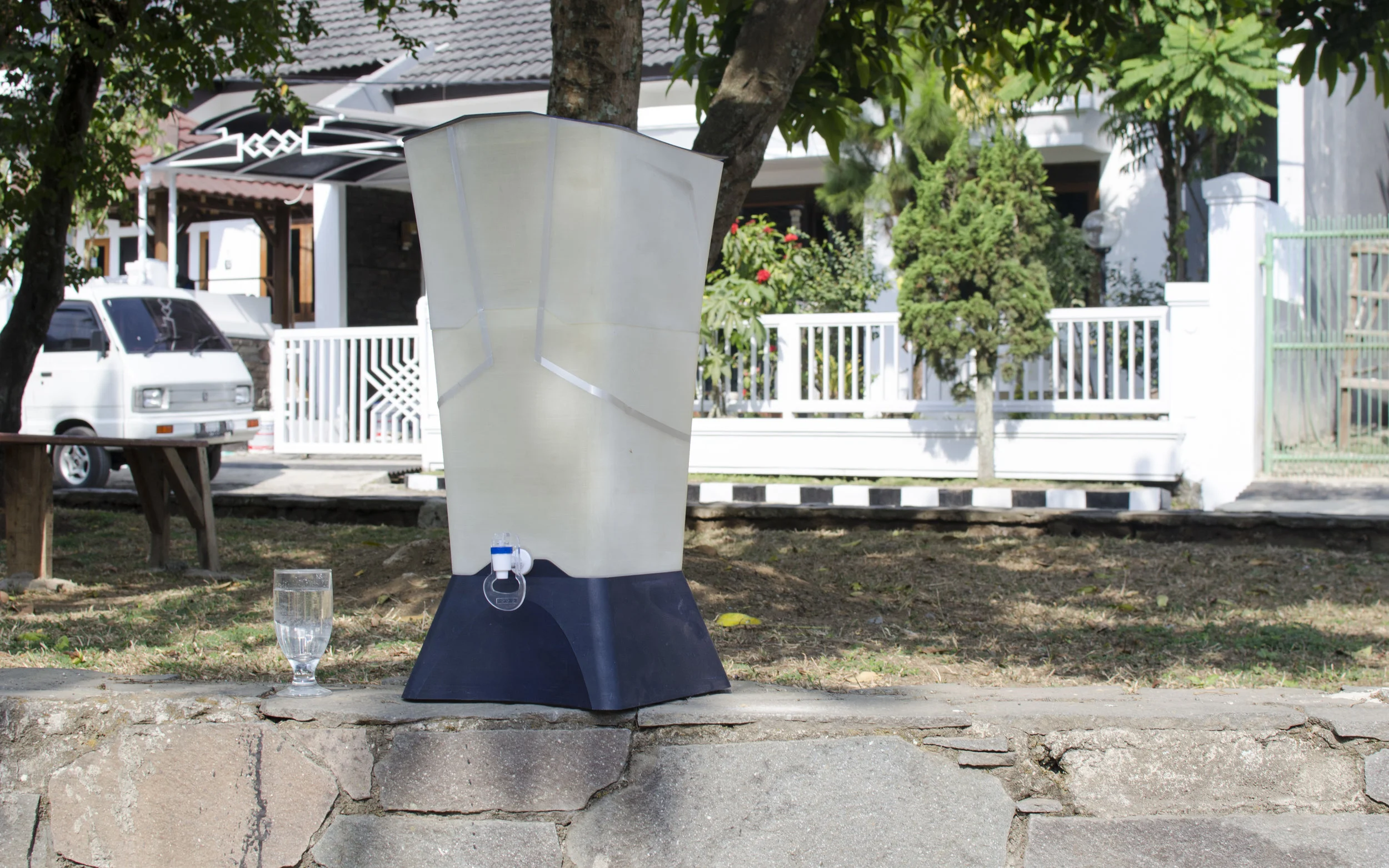
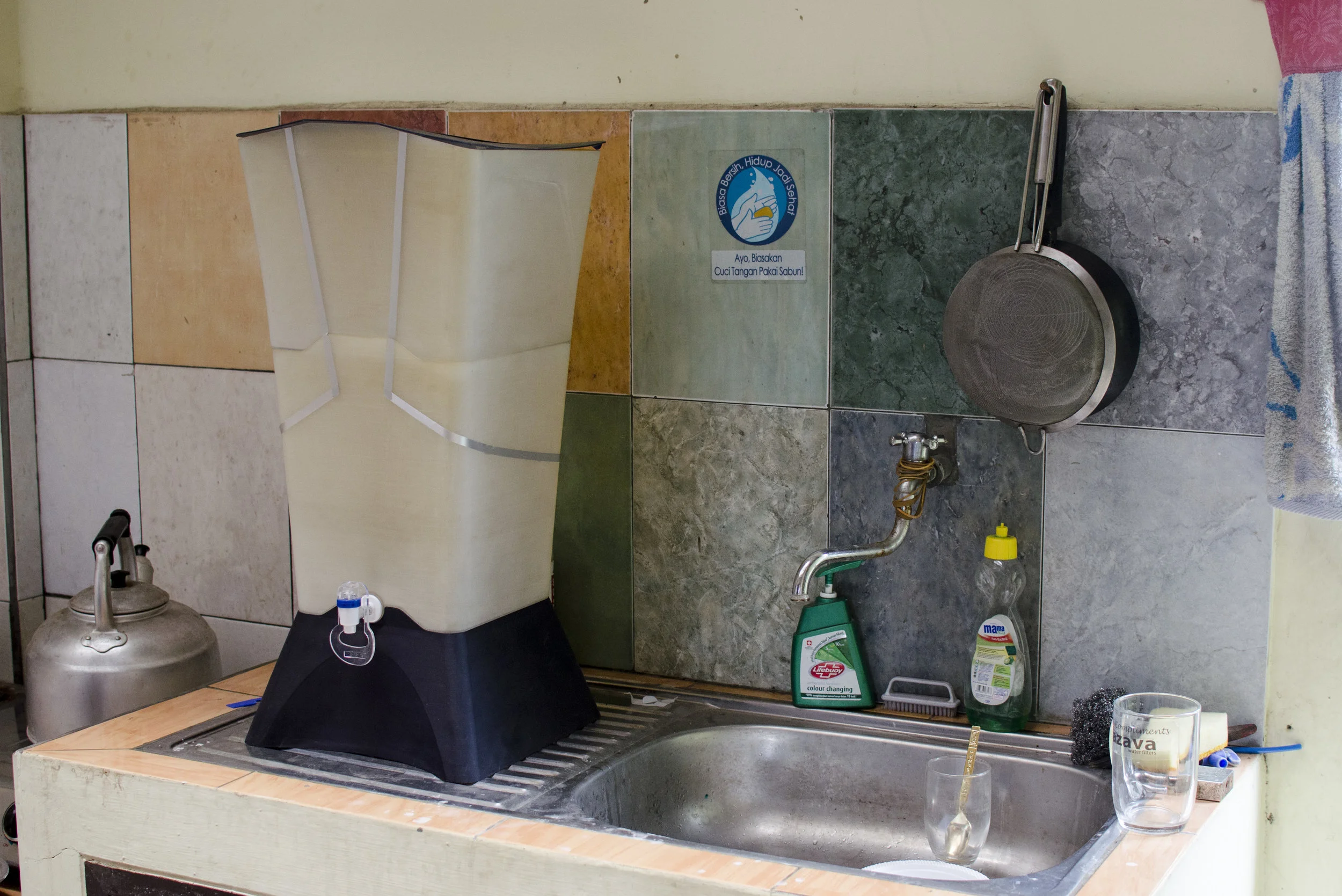
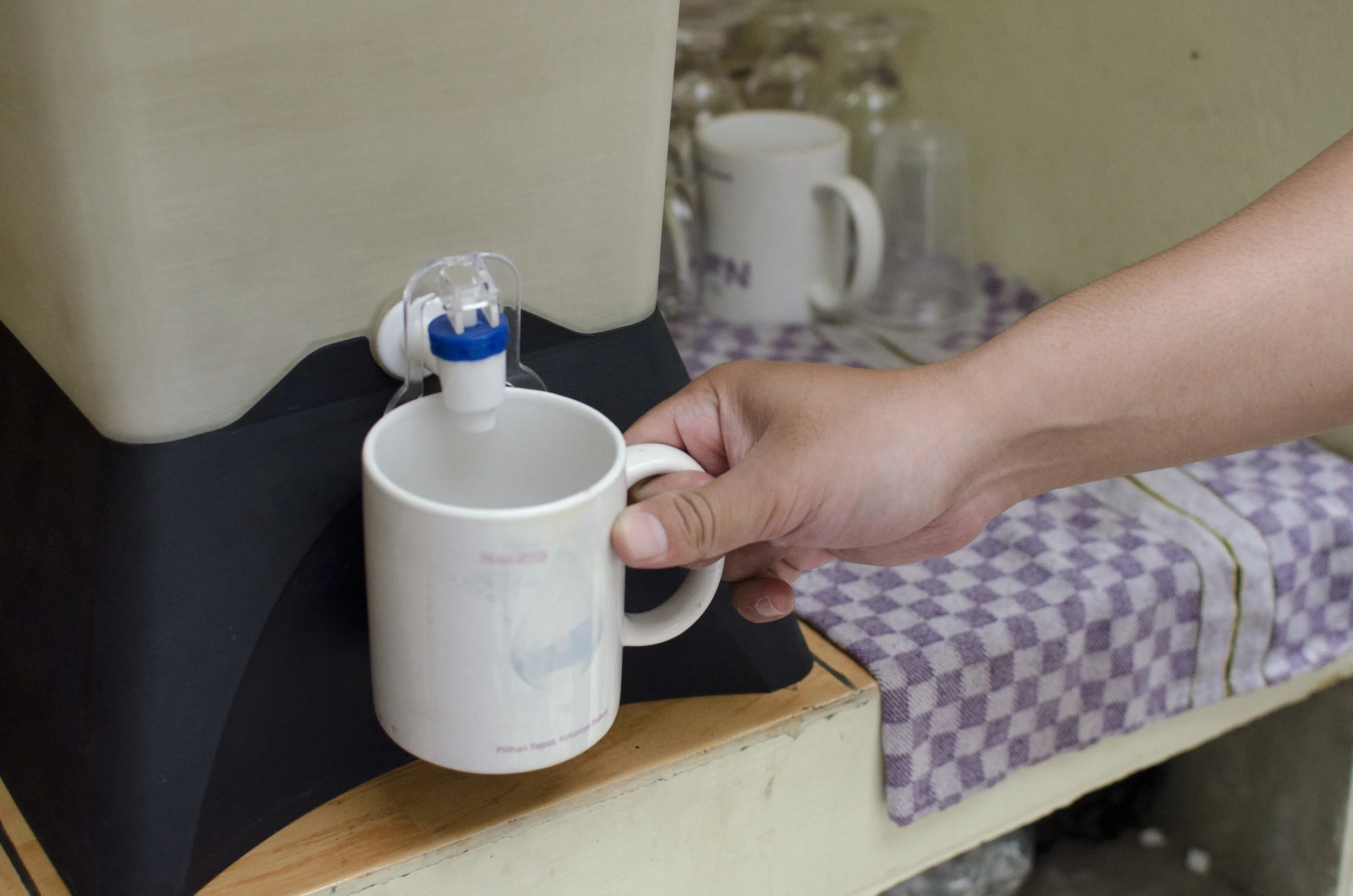
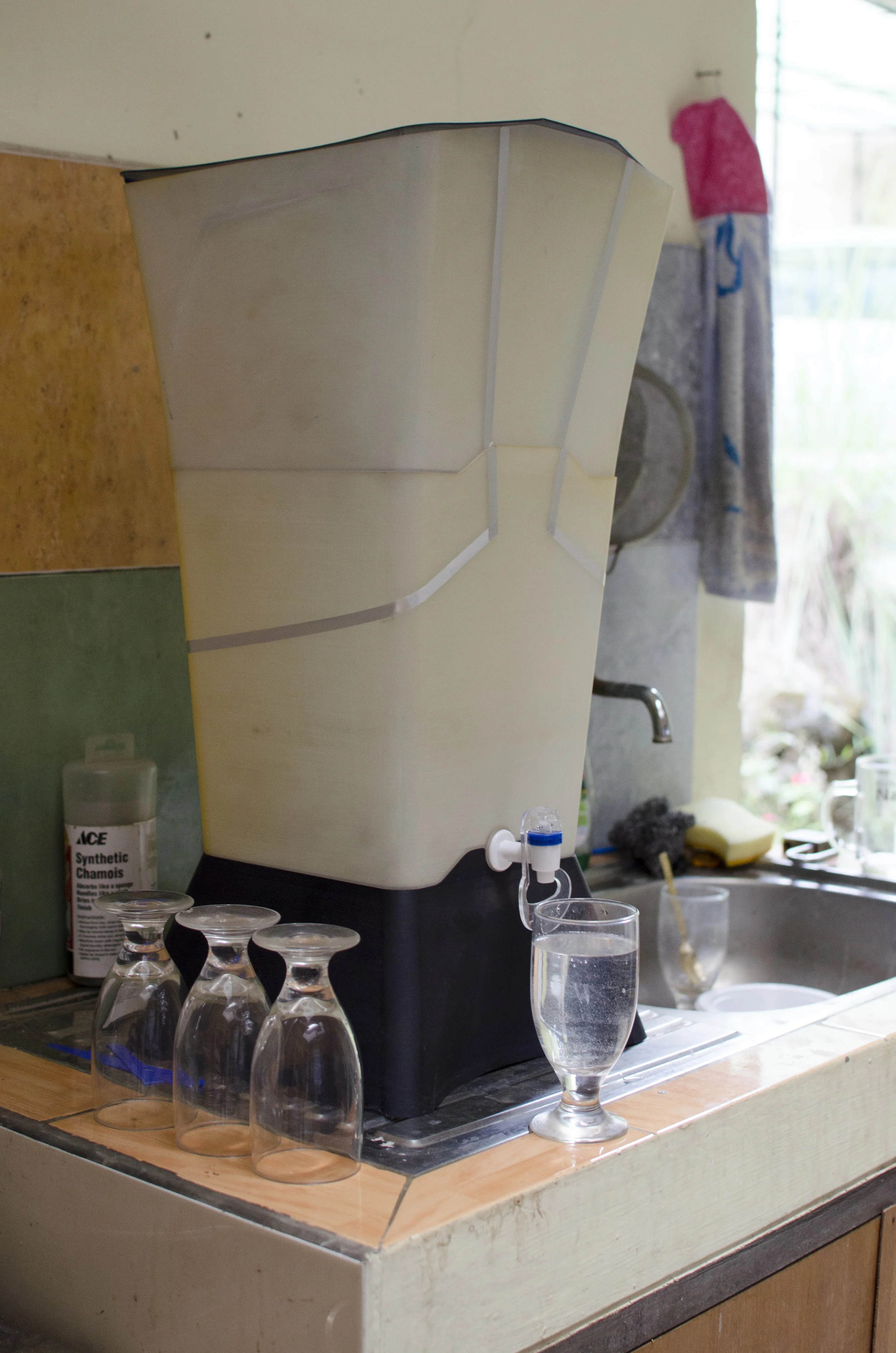
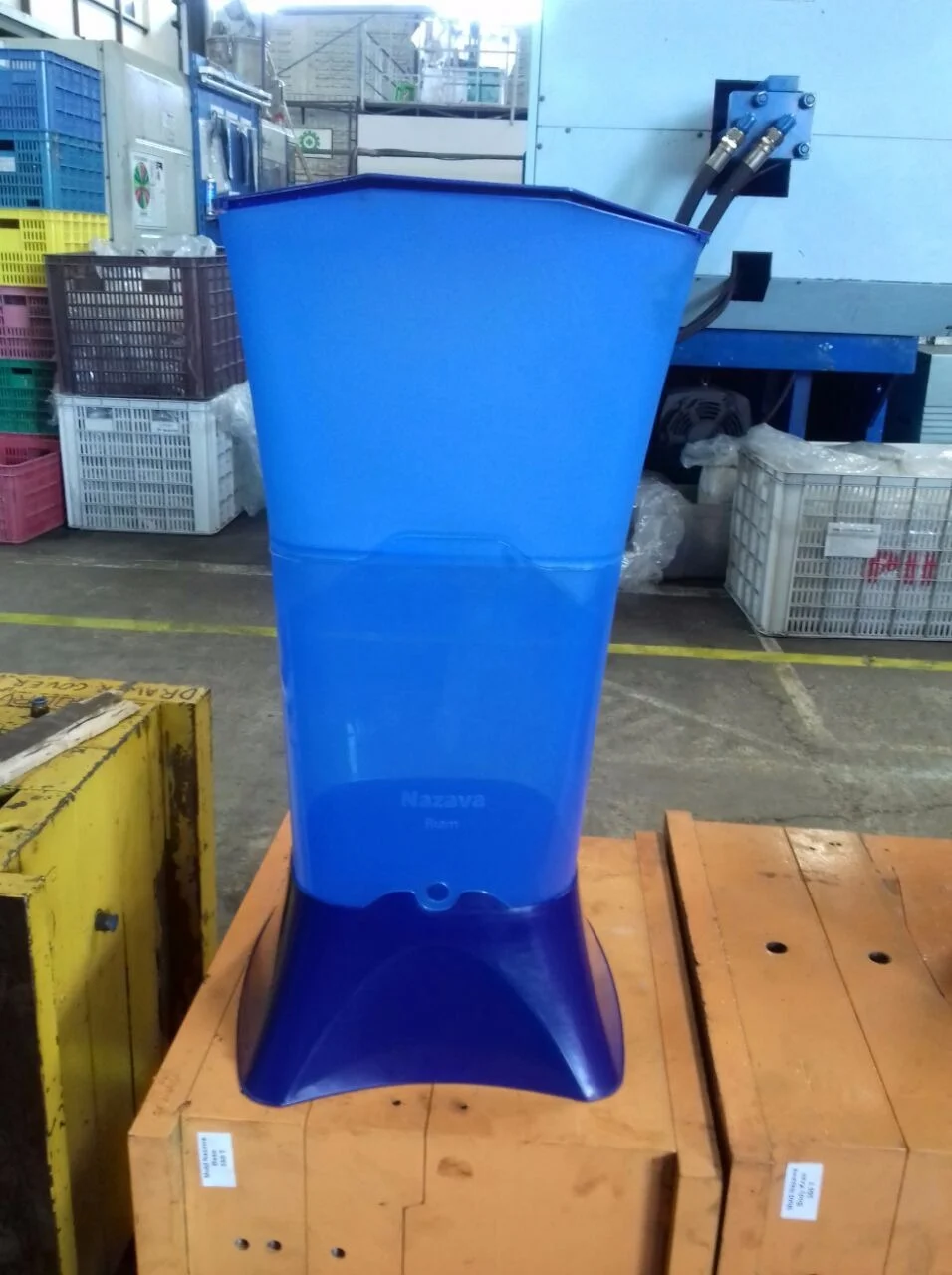
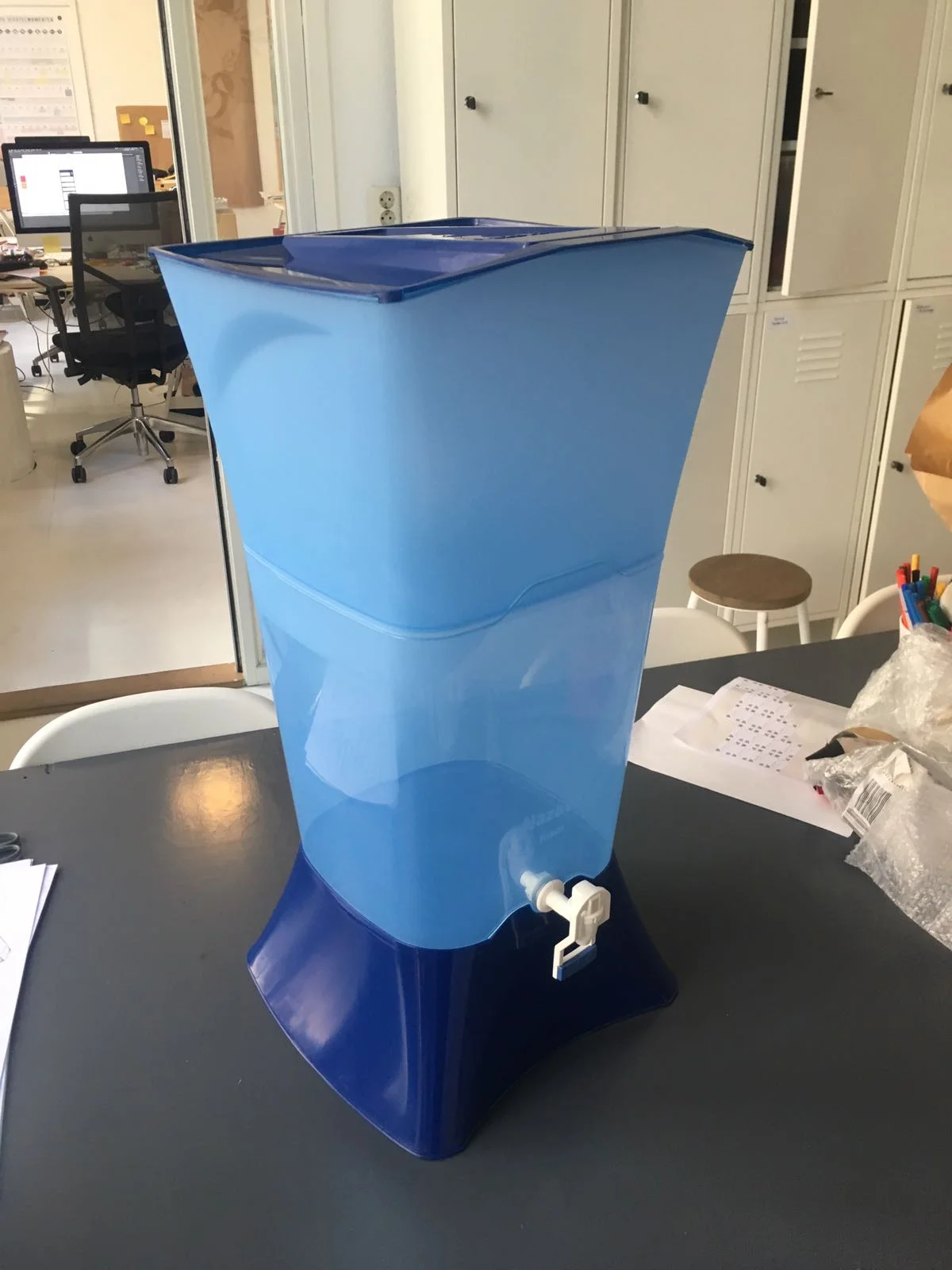
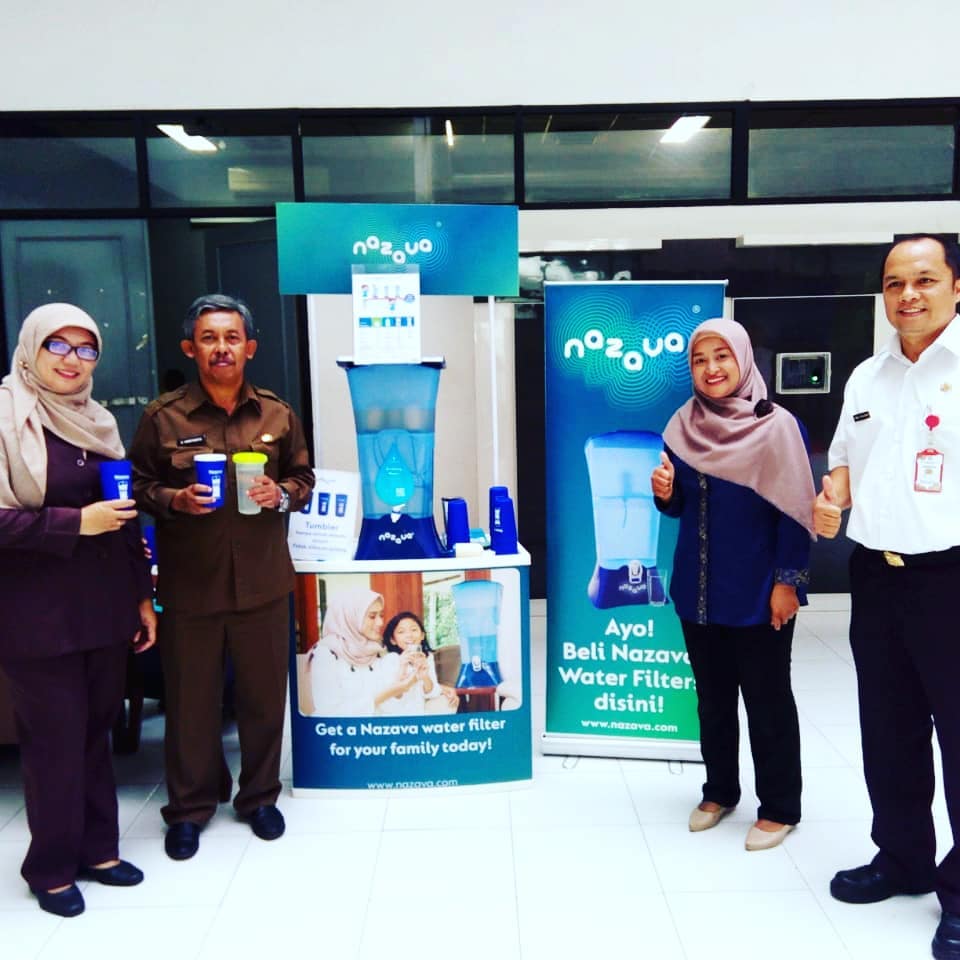
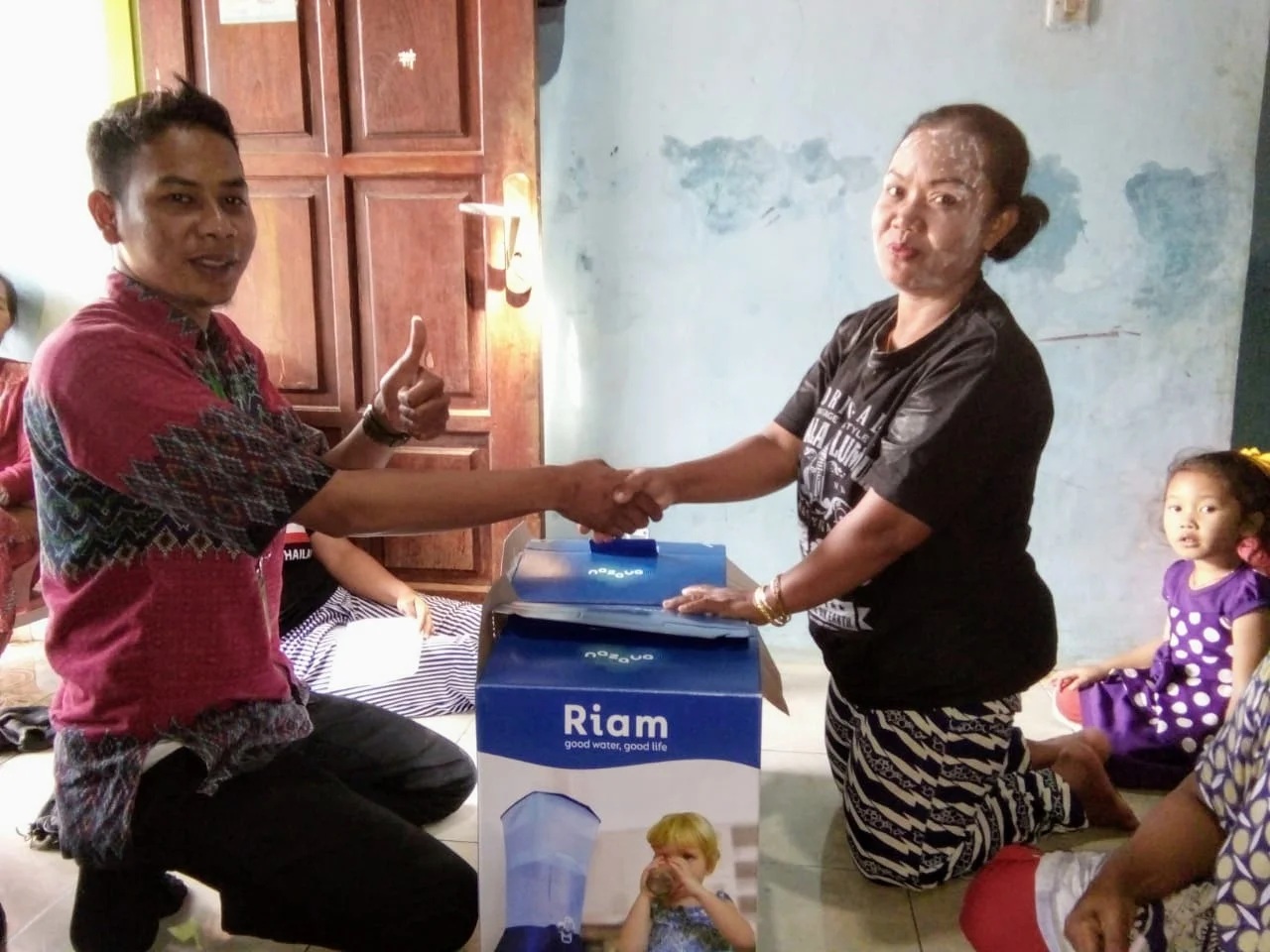
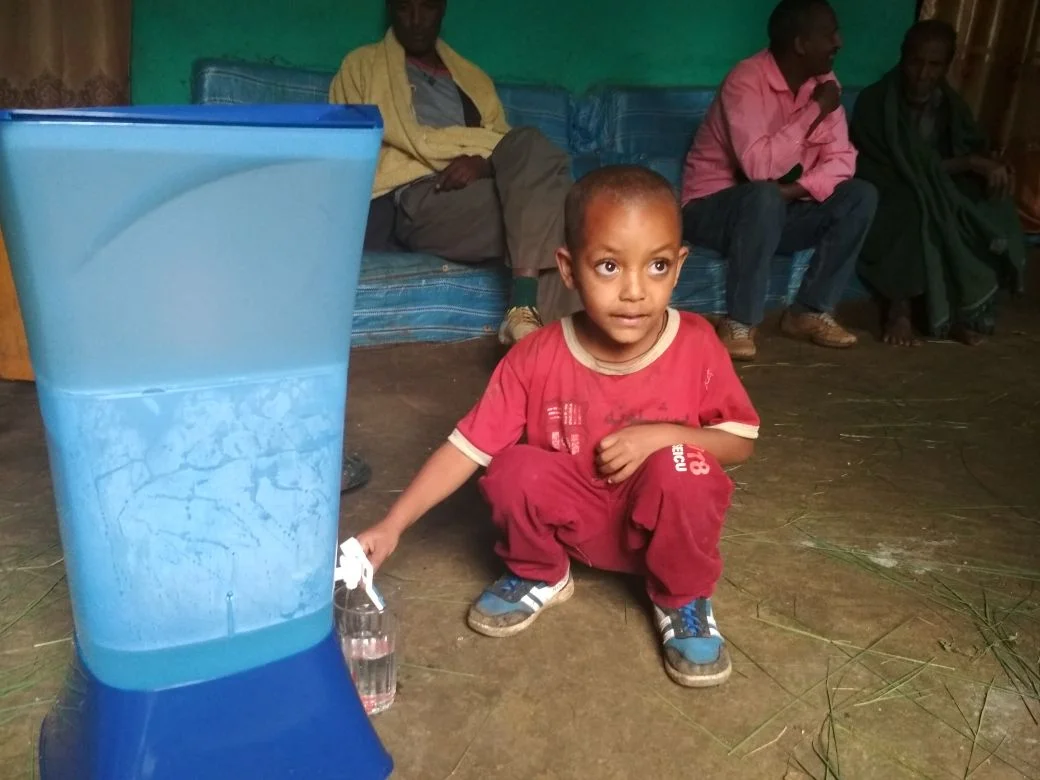
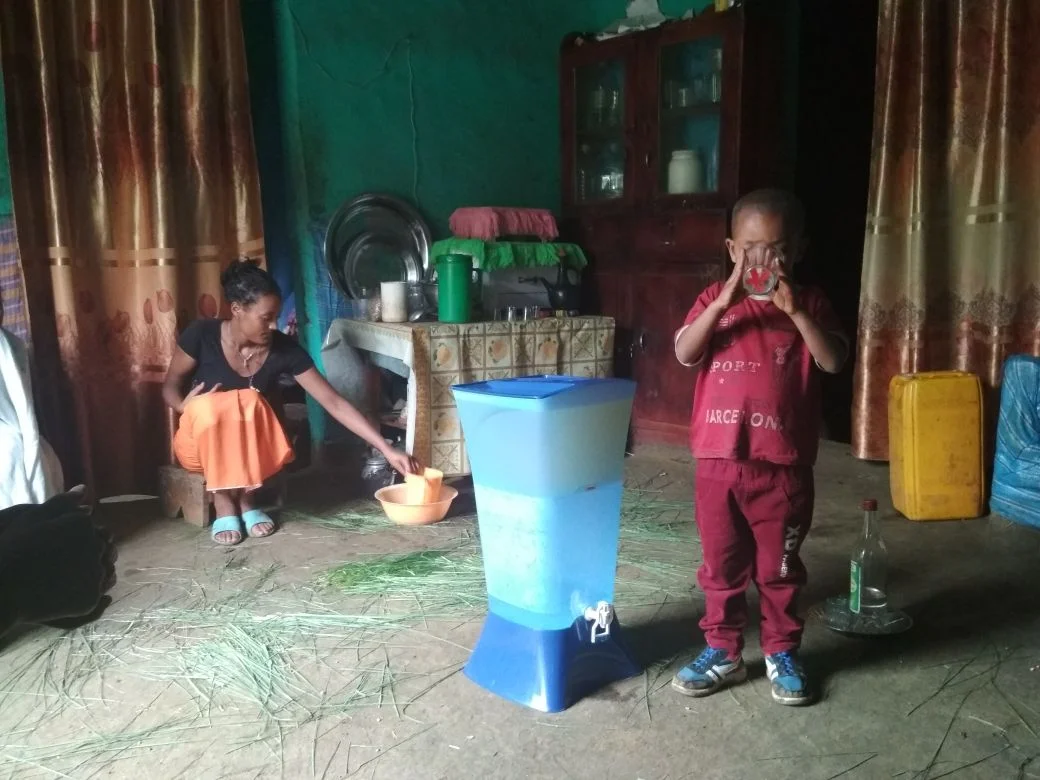
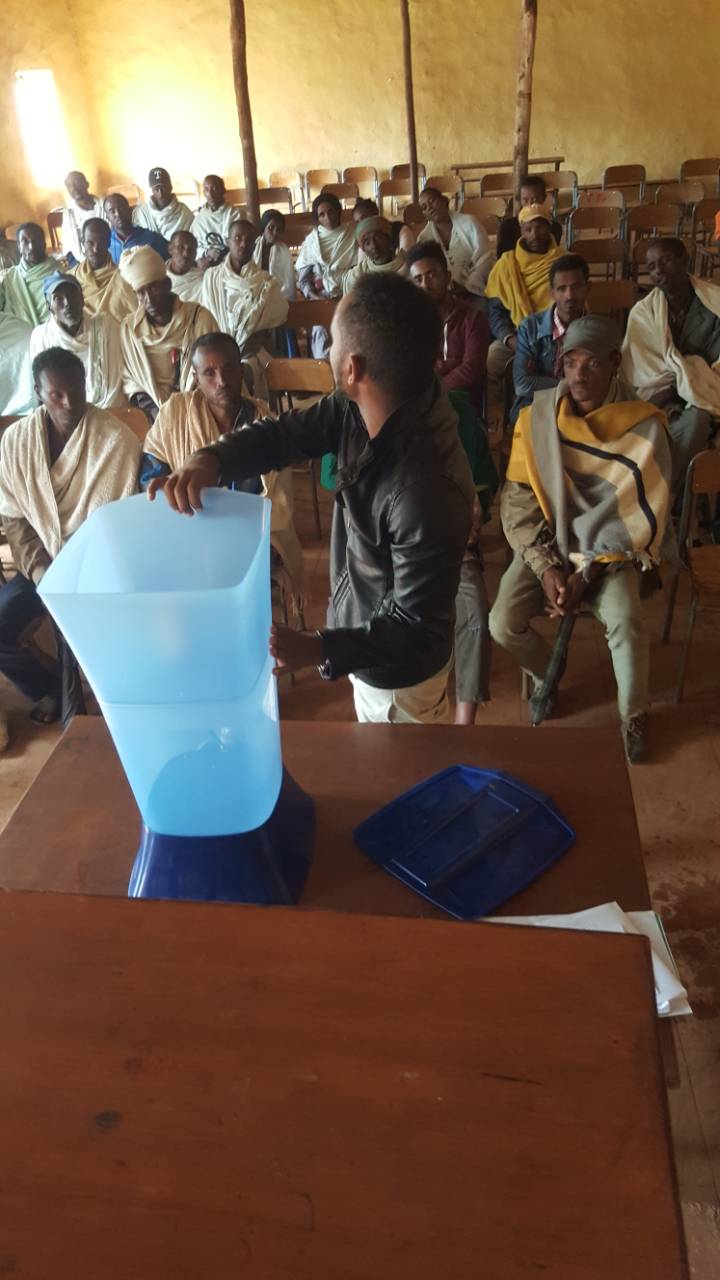
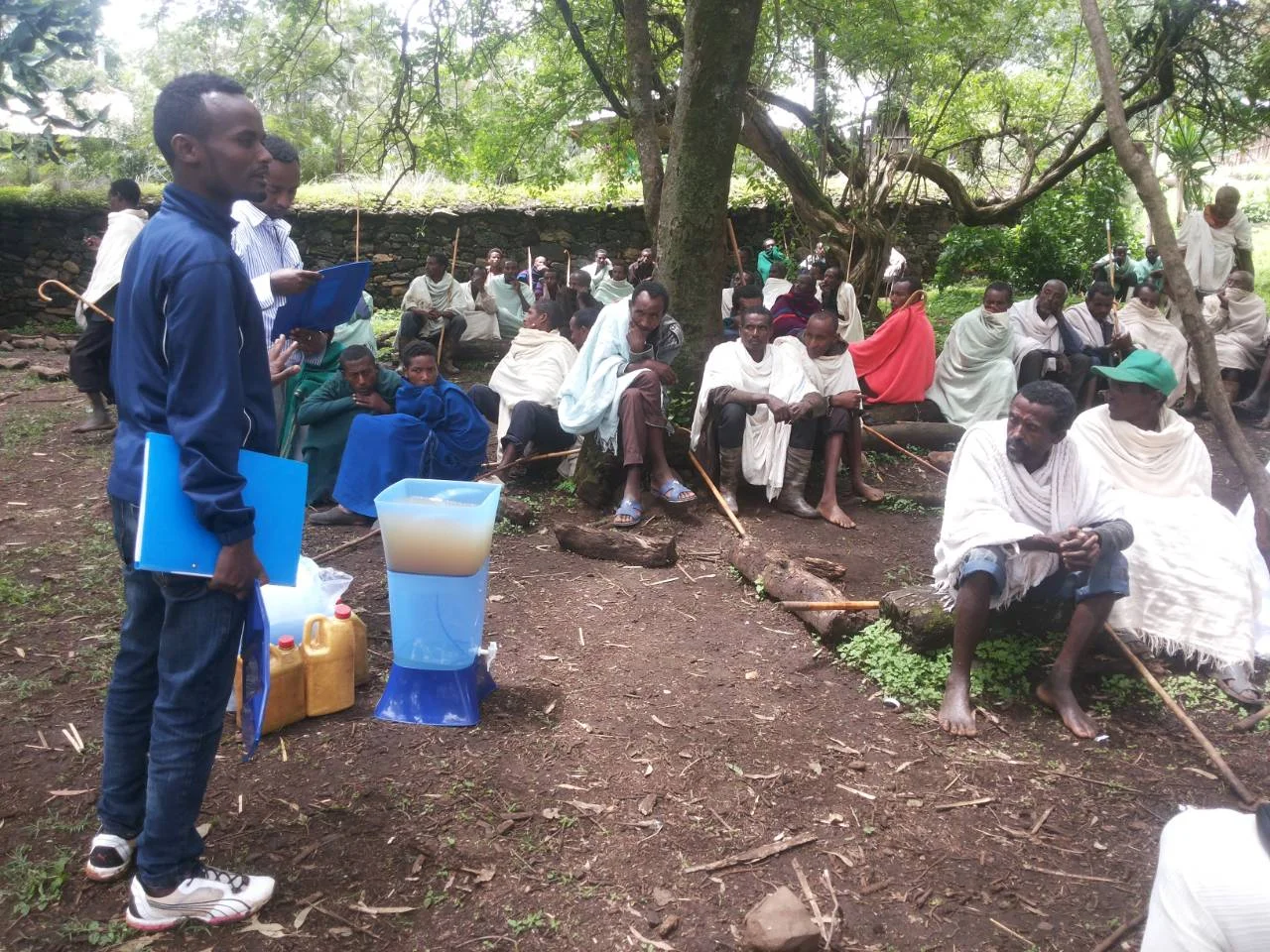
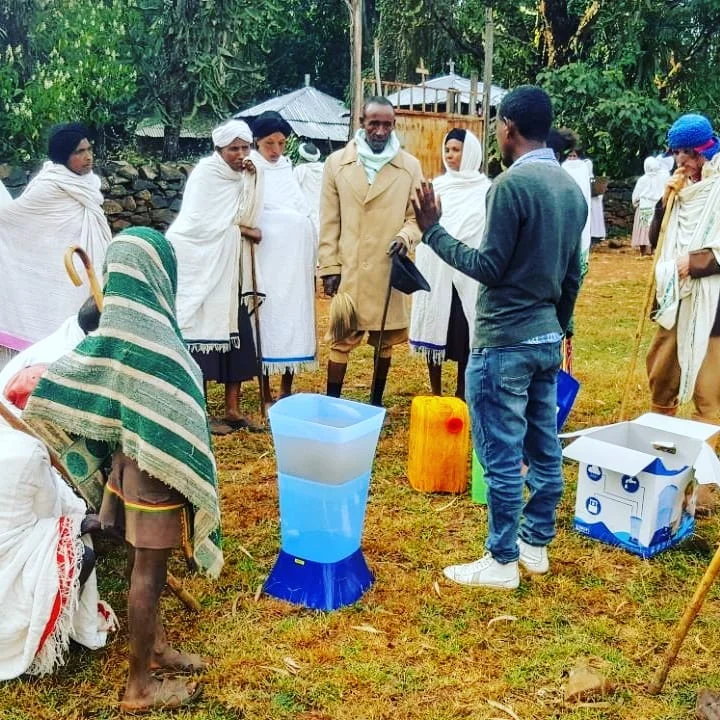
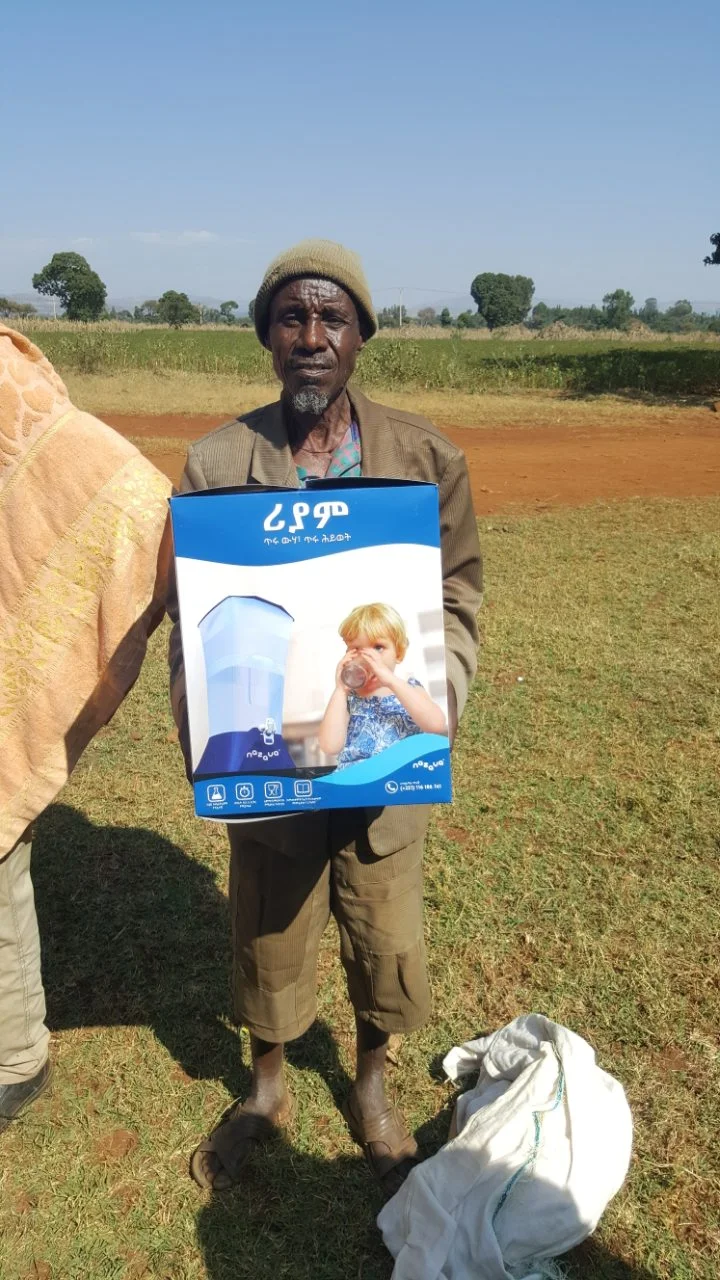
After we finalized and delivered our designs of the Riam to Nazava, the company and my colleague Joost van Leeuwen worked with manufacturers to turn our sketches, prototypes and recommendations into a ‘real product’! Since the first Riam came off the production line, tens of thousands of Riam water filters have been sold. Today, the Riam can be found all over Indonesia and is even sold on the Ethiopian market.